About the treatment
What red light therapy actually is
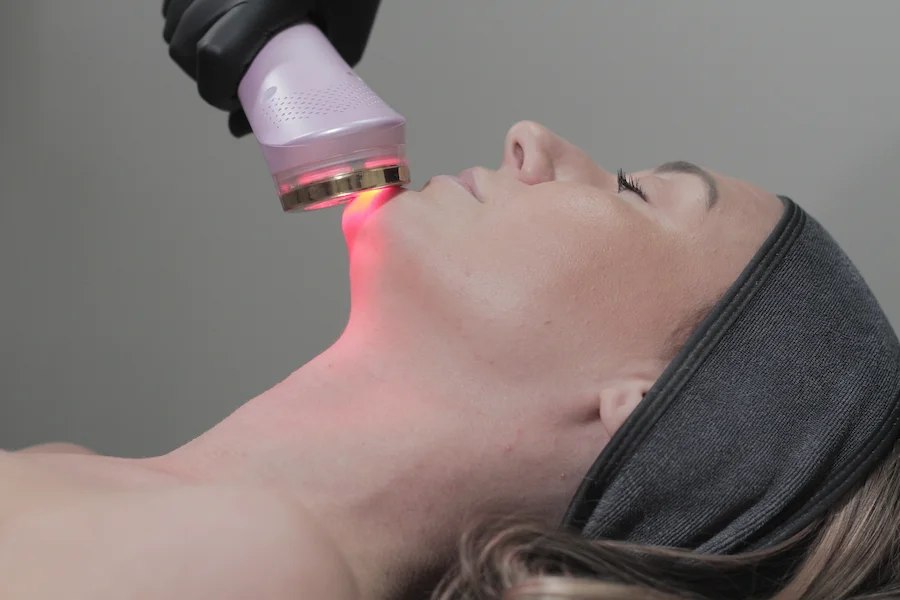
You lie under a panel of LEDs emitting red and near-infrared light for the length of a session. There is no UV, no heat to speak of and nothing touching your skin. What the light does is reach the mitochondria inside your skin cells and make them work harder.
Mitochondria are where a cell makes its energy. As we age they slow down, and a cell short of energy is a cell that repairs slowly and makes less collagen. Red light at the right wavelength is absorbed by an enzyme in that chain and lifts its output — so the cell has more to spend on repair and on building structure.
That is the whole mechanism, and it explains both the appeal and the limits. Nothing is injured, so nothing needs to heal and there is no downtime at all. But nothing is forced either, which is why this is a supporting treatment run as a course rather than a dramatic one-off. At our Ottawa clinic on McCarthy Road it is used both on its own and as the calming step after microneedling or a peel.
How it works
What it does to your skin
Four effects, none of which you feel happening.
Cells get more energy to work with
The light lifts mitochondrial output, which means more of the fuel a cell needs to do anything at all. Every other effect on this list follows from that one.
Collagen production picks up
Fibroblasts — the cells that make collagen and elastin — respond to the extra energy by producing more of both. This is the slow part, and it is why firmness and fine lines change over weeks rather than days.
Circulation improves
Blood flow through the dermis increases during and after a session. More circulation means more oxygen and nutrients delivered, and waste cleared faster — which shows up as colour and life in skin that looked flat.
Inflammation settles
Red light calms an inflammatory response rather than provoking one. That is why it is used on redness and reactive skin, and why it is the sensible thing to book the day after something more aggressive.
Why here
What it does for Ottawa skin
A treatment with no downtime and no sun sensitivity has particular value in a city with this climate.
It is the one treatment winter cannot interfere with
Most resurfacing leaves skin sun-sensitive and needs planning around the seasons. Red light does not. It adds no photosensitivity and creates no wound, so it can run right through January without a single scheduling compromise.
Cold-weather redness responds to it
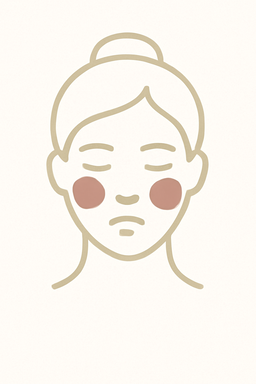
Wind-flushed cheeks and reactive skin are a standing Ottawa complaint. Because red light settles inflammation rather than provoking it, it is one of the few things that can be used on skin that is already irritated.
It supports the treatments winter is right for
Winter is the best window for needling and peels, and red light shortens the recovery on both. Booking it a day or two after means less time looking pink and a faster return to normal.
Months of low light leave skin flat
By February circulation is sluggish and complexions look grey. Red light is a direct answer to that particular dullness — not by exfoliating anything off, but by getting blood moving through the skin again.
Indications
What is it good for?
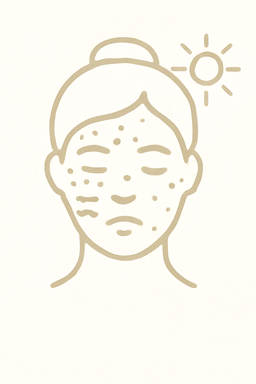
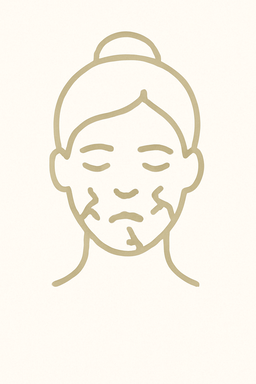
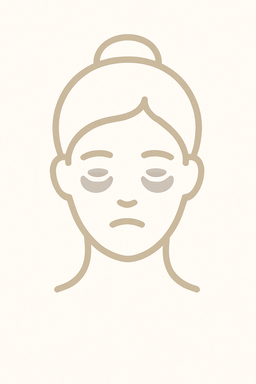
Ageing, redness and recovery. If your skin is irritated rather than congested, this is usually the right place to start.
Everything else we offer is listed on our Ottawa clinic page.
The difference
Red light or blue light?
Red and near-infrared
- Longer wavelength, so it reaches deeper into the dermis
- Targets your own cell energy and collagen production
- For ageing, firmness, redness and recovery
- Cumulative — judged over weeks
Blue
- Shorter wavelength, works at the surface and in the pore
- Targets the bacteria that cause inflammatory acne
- For active breakouts, oil and congestion
- Noticeable calming after the first session
They are different tools, not competing ones, and plenty of clients use both — blue light to settle active breakouts, red light afterwards to work on the marks and texture left behind. If you are not sure which describes your skin, that is a two-minute conversation at the consultation.
Getting ready
Pre & post treatment
There is very little to it, which is rather the point of this treatment.
Before your appointment
- Arrive clean: a completely make-up-free face, so the light reaches the skin.
- Ease off actives: no retinoids, strong acids or exfoliants for two to three days.
- No sunburn: avoid overexposure to UV in the days beforehand.
- Tell us: any sensitivities, recent procedures or active breakouts.
After your appointment
- Expect calm: a mild warmth and a refreshed look. Nothing dramatic and nothing sore.
- Moisturise gently: fragrance-free, and hold actives for another two to three days.
- SPF daily as usual — the treatment adds no sun sensitivity, but good habits still apply.
- Skip extreme heat: no saunas, steam rooms or heavy sweating for the first 24 hours.
- Come back weekly: the effect is cumulative and consistency is what produces it.
Results
LED light therapy before and after
A client at You Glow Aesthetics. What changes with light therapy is tone, calmness and the general quality of the skin rather than anything structural.
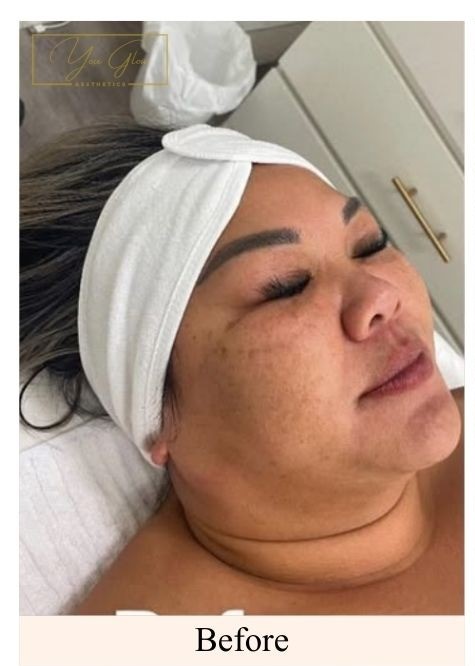
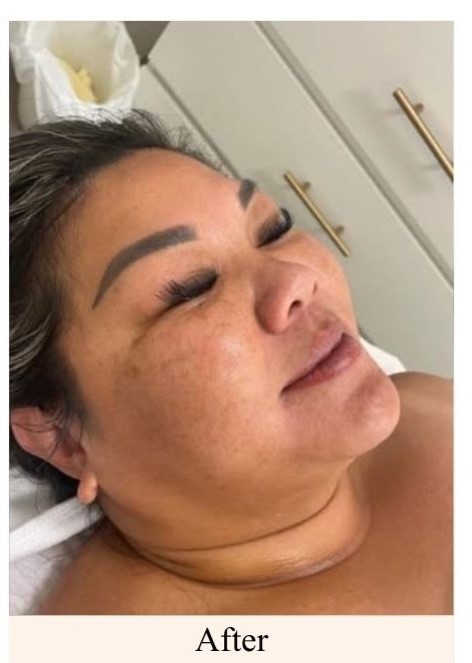
Individual results vary with skin type, age and how consistently the course is completed. Light therapy is cumulative — a single session will not do this.
Also at our Ottawa clinic
Treatments red light works well alongside
- Microneedling in Ottawa — red light afterwards shortens the recovery and supports the collagen response
- Blue Light Therapy in Ottawa — the other half of LED therapy, aimed at active breakouts
- Hydro Facial in Ottawa — cleanses and hydrates, and pairs naturally with a light session
- AFA Chemical Peel in Ottawa — resurfaces tone, with red light to settle the skin after
- Scalp Microneedling in Ottawa — for thinning hair rather than skin
- LED light therapy brand-wide — how the treatment works across all our clinics