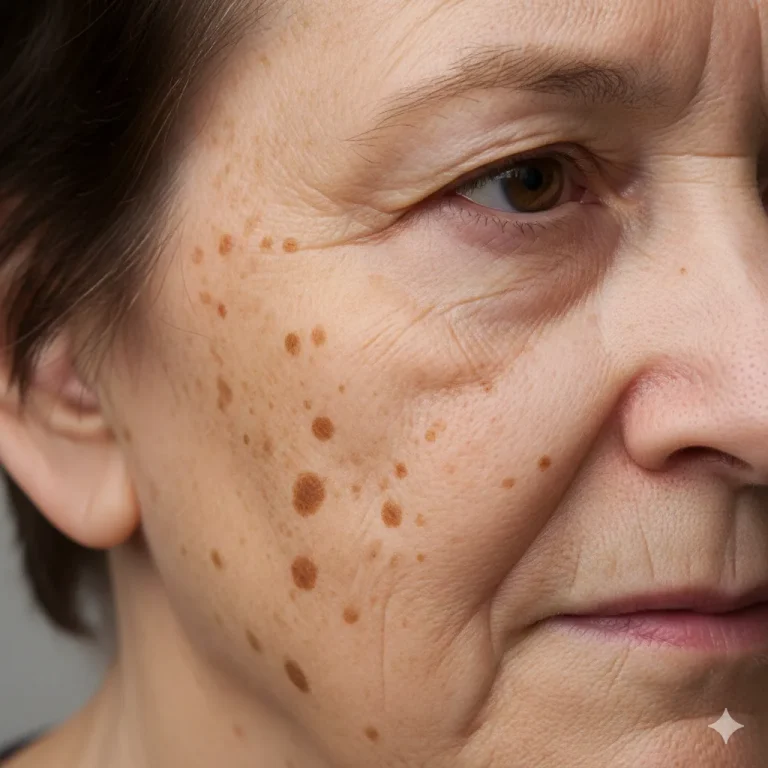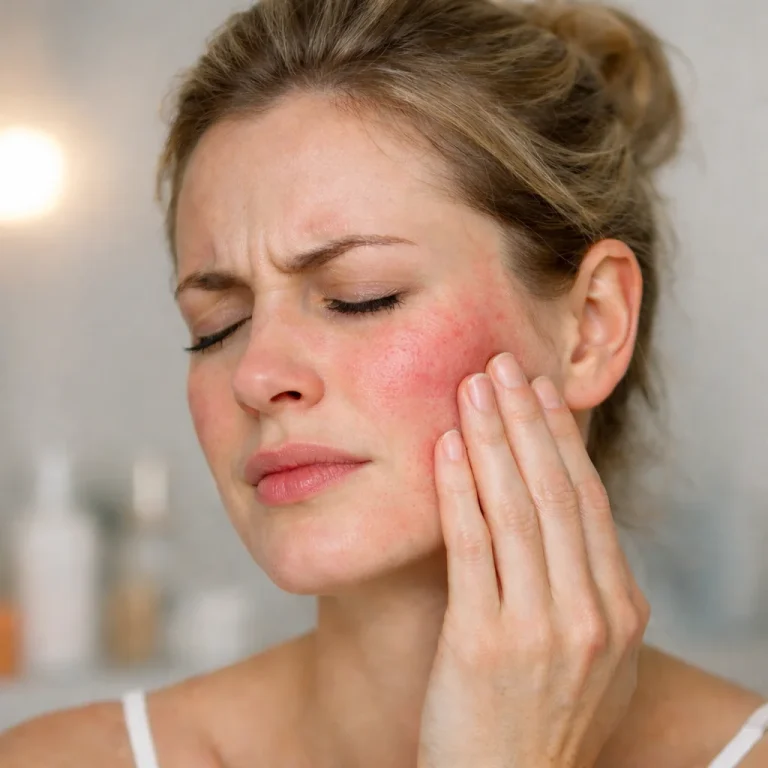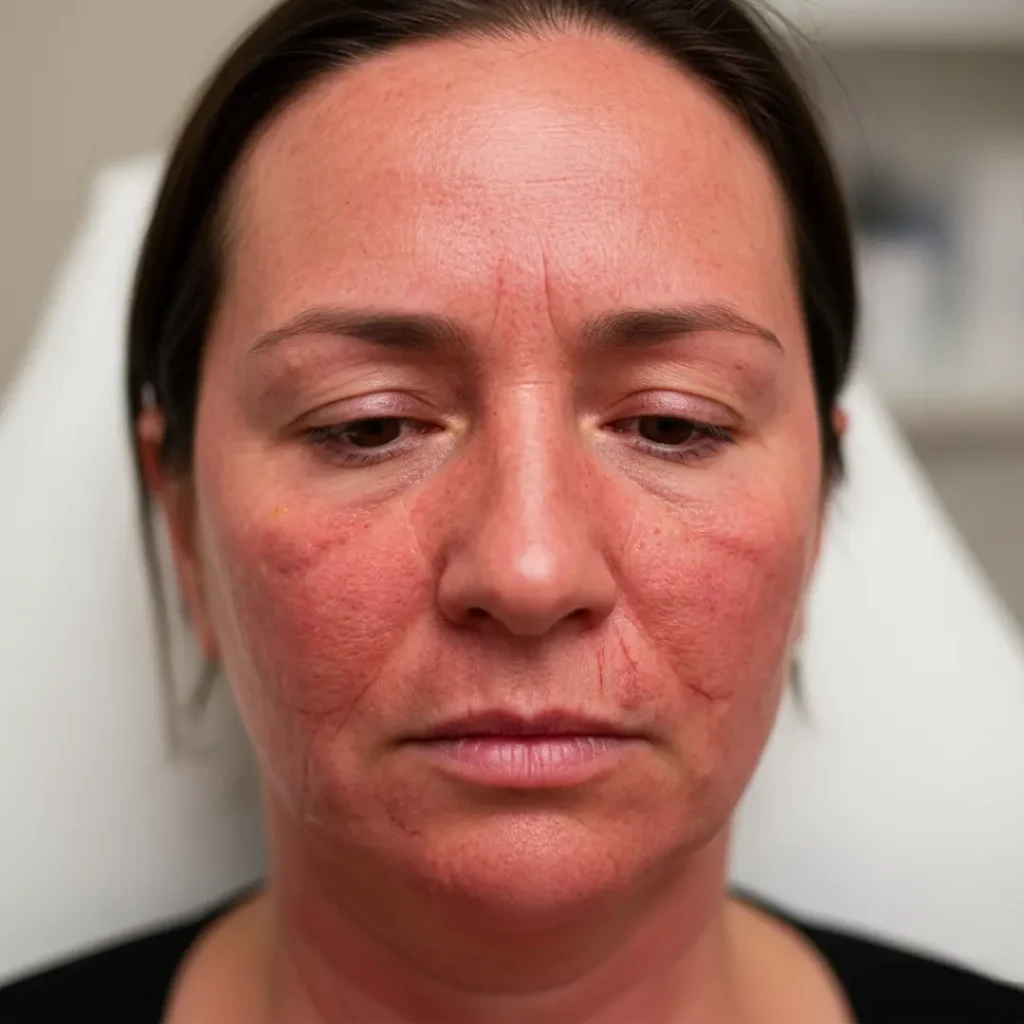
Rosacea is a common skin condition that causes redness, visible blood vessels, and sometimes bumps that look like acne. It often affects the face, especially the cheeks, nose, chin, and forehead. For many people, rosacea is more than just a skin concern—it can impact confidence and cause discomfort. While rosacea cannot be completely cured, it can be managed with the right treatments and habits. This guide explains what rosacea is, what triggers it, and how to treat redness for calmer, healthier skin.
What Is Rosacea?
Rosacea is a chronic skin condition that affects millions of people worldwide. It usually starts with flushing—skin that turns red easily—and can progress to lasting redness, visible veins, and even thickened skin in some cases. Unlike acne, rosacea does not go away on its own, and it can get worse if untreated. While anyone can develop rosacea, it is most common in fair-skinned adults over 30, though people of all skin tones may experience it.
Rosacea is classified into four main subtypes:
- Erythematotelangiectatic Rosacea (ETR): Characterized by facial redness, flushing, and visible blood vessels (telangiectasias). This is the most common subtype.
- Papulopustular Rosacea: Features persistent redness along with acne-like bumps (papules) and pus-filled pimples (pustules).
- Phymatous Rosacea: A rare form leading to skin thickening and enlargement, most often affecting the nose (rhinophyma).
- Ocular Rosacea: Affects the eyes, causing dryness, irritation, burning, and swollen eyelids.
Common Causes and Triggers
The exact cause of rosacea is not fully known, but it is linked to overactive blood vessels, genetics, and immune system responses, potentially including a reaction to the Demodex mite. Certain lifestyle factors can trigger flare-ups and make redness worse.
Sun exposure is one of the biggest triggers. Heat from the sun dilates blood vessels, leading to redness and irritation. This chronic UV damage contributes significantly to the persistent redness and visible veins.
Common dietary triggers include spicy foods, alcohol (especially red wine), and hot drinks, which cause an internal rise in temperature and lead to flushing. Stress and extreme temperatures—both hot and cold—can worsen symptoms by causing blood vessel dilation. Some skincare products with harsh ingredients like high concentrations of alcohol, fragrance, or abrasive exfoliants may irritate sensitive skin and cause flare-ups.
Understanding your personal triggers is key to managing rosacea. Keeping a skin diary can help identify which habits, foods, or environments make symptoms worse.
Signs and Symptoms
Rosacea appears differently from person to person, but common signs include persistent redness, frequent and prolonged flushing, small bumps that resemble acne but lack the blackheads/whiteheads, and visible blood vessels. Some people experience eye irritation, known as ocular rosacea, which causes dryness, burning, or swollen eyelids. Over time, untreated rosacea may cause the skin on the nose to thicken, a condition called rhinophyma, which is more common in men. Recognizing these symptoms early helps in starting treatment before the condition worsens.
Everyday Habits to Manage Rosacea
Daily routines play an important role in managing rosacea and reducing redness. Gentle skincare is essential. Cleansing with mild, fragrance-free products helps remove dirt and oil without irritating the skin. Avoiding hot water and scrubbing keeps the skin barrier intact. Moisturizing daily supports hydration and reduces sensitivity.
Sun protection is critical. A broad-spectrum sunscreen with SPF 30 or higher should be used every day, even in winter or on cloudy days. Physical sunscreens with zinc oxide or titanium dioxide are usually better tolerated by sensitive skin, as they protect by physically blocking UV rays rather than chemical absorption. Wearing hats and seeking shade also protect against heat- and light-induced flare-ups.
Stress management is another key factor. Since stress is a common trigger, practicing relaxation techniques like deep breathing, meditation, or yoga can help. Eating a balanced diet with anti-inflammatory foods, such as fruits, vegetables, and omega-3-rich fish, supports overall skin health and reduces internal inflammation.
Over-the-Counter Treatments
There are many gentle skincare products available that help reduce redness and calm sensitive skin. Green-tinted creams and primers can neutralize redness temporarily, making them useful for daily use under makeup. Moisturizers with ingredients like niacinamide (which reduces inflammation), aloe vera, and hyaluronic acid soothe irritation and improve the skin barrier.
Anti-redness serums that contain calming ingredients such as licorice extract or centella asiatica may also help. While these products cannot cure rosacea, they provide symptomatic relief and support other treatments. Consistent use is important for maintaining results.
Prescription Medicines
For more severe cases, dermatologists may recommend prescription treatments. Topical creams with ingredients such as metronidazole or azelaic acid reduce inflammation and redness, as well as the accompanying bumps. Ivermectin cream targets skin mites (Demodex) that may play a role in the inflammatory process of rosacea and helps reduce bumps and irritation.
Oral antibiotics like doxycycline are sometimes prescribed in low doses for their anti-inflammatory effects, rather than their antibacterial properties. In very severe cases, particularly phymatous rosacea, oral isotretinoin may be used under close supervision. These treatments often require weeks to months of consistent use before showing significant improvement.
Professional Treatments
Dermatology clinics and medical spas offer treatments that can significantly reduce redness and visible vessels, which topicals cannot fully address.
Laser therapy and Intense Pulsed Light (IPL) are gold-standard treatments for targeting the vascular components of rosacea. These treatments work by emitting light energy that is selectively absorbed by the hemoglobin in the visible blood vessels, heating and sealing them off, which leads to a clearer, less red complexion.
Other procedures, like very superficial chemical peels or gentle versions of microneedling, may be used to improve skin texture and reduce the papules, though they must be carefully chosen and administered at lower intensities for sensitive skin to avoid irritation. Consulting a specialist is important to avoid treatments that could worsen symptoms.
Calm, Clear, and Confident: You Glow Aesthetics’ Rosacea Management
At You Glow Aesthetics, we understand that managing rosacea is a journey that requires careful, consistent, and customized care. Our approach focuses on two key pillars: Vessel Reduction (to treat visible redness and veins) and Inflammation Control (to minimize flushing and bumps) using advanced, non-aggressive technologies combined with targeted, soothing professional products.
What We Do for Rosacea Concerns
We specialize in treating the underlying symptoms of rosacea to restore skin health, comfort, and confidence.
1. Targeting Redness and Visible Veins (Vascular Management)
The most impactful way to treat the lasting redness and visible capillaries of rosacea is through light-based therapy.
- Intense Pulsed Light (IPL) Therapy: Our gold-standard IPL Facial Treatment in Toronto (and other locations) is specifically calibrated to treat vascular lesions. The light energy targets the hemoglobin in the tiny, dilated blood vessels, safely collapsing them without damaging the surrounding skin. This treatment significantly reduces background redness and eliminates noticeable veins, leading to a much calmer and more uniform complexion.
- Customized Light Protocols: We adjust the IPL and laser parameters based on your Fitzpatrick skin type, the severity of your redness, and the specific size of your blood vessels. Our goal is to use the lowest effective energy to minimize heat and prevent rosacea flare-ups, which is crucial for successful treatment.
2. Soothing and Anti-Inflammatory Facials
We integrate professional facials that focus exclusively on reducing sensitivity, strengthening the skin barrier, and providing deep calming relief.
- Oxygen Facial: This treatment uses pressurized oxygen to deliver a customized cocktail of vitamins, soothing agents, and anti-inflammatory serums deep into the skin, instantly cooling and calming irritated, inflamed skin.
- Blue Light Therapy for Papulopustular Rosacea: While primarily known for acne, Blue LED Light Therapy—available in locations like Calgary SE—can help reduce the bacteria and inflammation associated with the acne-like bumps and pustules of the second rosacea subtype.
- Gentle Exfoliation and Hydration: We utilize extremely mild procedures, like the soothing steps in a Blue Ice HydroFacial, to cleanse and hydrate without stripping the skin barrier, which is often compromised in rosacea sufferers.
3. Personalized Skincare and Trigger Avoidance
Every treatment plan includes an in-depth consultation to discuss lifestyle triggers and to establish an at-home regimen featuring barrier-repair and anti-inflammatory products.
- Medical-Grade Topical Recommendations: We recommend clinically proven topical products, often containing ingredients like high-potency Niacinamide and Centella Asiatica, to reinforce the skin barrier and suppress redness long-term.
- Integrated Prescription Support: We partner with you to integrate any dermatologist-prescribed topicals (like Metronidazole or Azelaic Acid) with your in-office treatments for a harmonious, comprehensive management plan.
Natural and At-Home Approaches
Some people find relief from natural remedies that soothe inflammation. Applying cool compresses can calm redness and irritation. Aloe vera gel, chamomile, and green tea extracts are known for their anti-inflammatory benefits. Oatmeal masks may also provide comfort for dry, irritated skin.
While these remedies do not replace medical treatments, they can be combined with professional care for extra support. It’s important to patch-test any new product or ingredient to avoid irritation.
Myths About Rosacea
Many myths surround rosacea. Some people believe it is just acne, but the two conditions are different and require different treatments. Others think rosacea is caused by poor hygiene, which is not true—it is linked to blood vessels and inflammation, not cleanliness. Another myth is that rosacea will always keep getting worse. With proper treatment and lifestyle adjustments, flare-ups can be controlled, and skin can stay calm.
When to See a Doctor
If redness and irritation are affecting your daily life or if over-the-counter products are not helping, it is time to see a specialist at You Glow Aesthetics. A professional can confirm whether your symptoms are rosacea or another condition and provide the right treatment plan. Since rosacea often requires long-term care, early medical advice and advanced treatments can prevent it from becoming more severe. We offer a variety of Skin Treatments tailored for sensitive skin.
Conclusion
Rosacea and chronic facial redness can be frustrating, but they are highly manageable with the right approach. Simple steps like gentle skincare, diligent sun protection, and trigger avoidance make a big difference. Over-the-counter creams and natural remedies provide comfort, while prescription medicines and professional treatments like IPL therapy address the underlying inflammation and visible vessels. The key is patience and consistency, guided by the expertise of a professional team.
With the careful, customized care provided by You Glow Aesthetics, a calmer, clearer, and healthier complexion is within reach.
Ready to Calm Your Redness and Reclaim Your Confidence?
Don’t let flushing control your life. Take the first step toward a clearer, more comfortable complexion.
Book your personalized Rosacea Consultation at You Glow Aesthetics today and let us design a gentle, effective management plan tailored just for your sensitive skin.
You Glow Aesthetics – Soothe. Treat. Glow.