About the treatment
What an AFA peel actually is
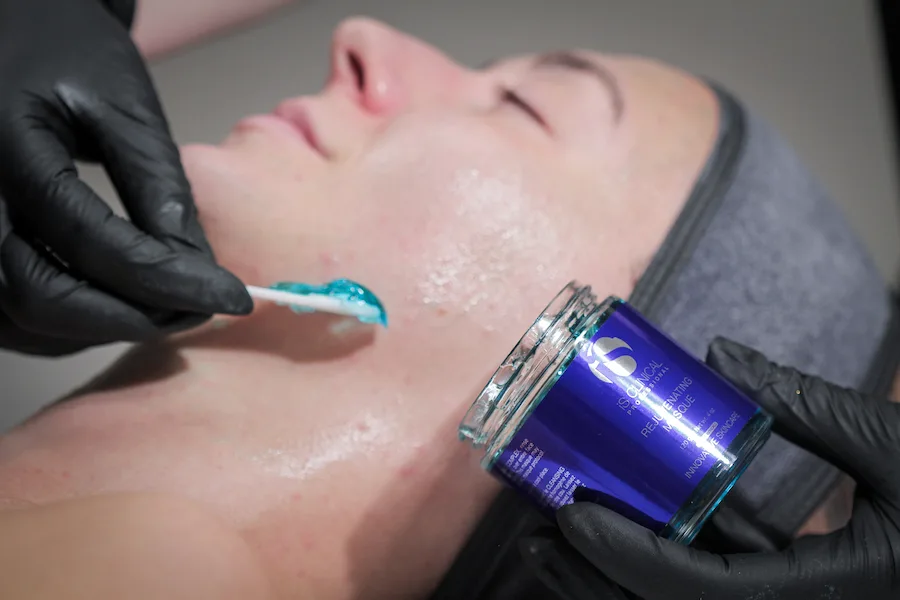
AFA stands for amino acid filaggrin-based antioxidants. In practice it is a peel built on amino acids rather than on a strong single acid, and that one difference changes almost everything about how it behaves on the skin.
A conventional glycolic or TCA peel works by stripping. It dissolves the bonds holding the surface layer on, and in doing so it pulls moisture and oil out of the healthy skin underneath. That is where the tightness, the stinging and the three days of sheeting come from. AFAs are water-loving, so they soften and hydrate the dead surface layer before lifting it away, and they leave the living skin beneath it alone.
You get the resurfacing — brighter tone, smoother texture, faded spots — without the recovery that puts most people off booking a chemical peel at all. At our Ottawa clinic on McCarthy Road the strength is chosen at the appointment, so the same treatment can be dialled up for sun damage or right down for skin that is reactive.
How it works
What it does to your skin
Four things, in this order, over about forty minutes.
It softens the dead layer first
The amino acids draw water into the outermost cells. Instead of being dissolved off dry, that layer becomes soft and loose — which is why it can be lifted away without dragging moisture out of everything underneath it.
It lifts, rather than strips
The loosened surface comes away evenly. This is the step that produces the immediate result: the rough, dust-like layer that scatters light is gone, so the skin reflects it properly and looks bright rather than grey.
It breaks up uneven pigment
Sun spots, patches of melasma and the marks left behind by old breakouts sit in that surface layer and just beneath it. Repeated peels work through them gradually, which is why tone evens out over a course rather than in one visit.
It speeds up turnover
Clearing the surface signals the skin to make new cells faster. Over several weeks that shows up as finer texture and softer fine lines — the slow half of the result, arriving after the immediate brightness has settled.
Why here
Why this is the peel that suits Ottawa
Most peels are a poor fit for a climate that spends five months drying skin out. This one is the exception, and that is the whole reason we use it.
It adds moisture while it exfoliates
By February a lot of Ottawa skin is already compromised — tight, flaky, easily irritated. A traditional peel on that skin makes it worse before it makes it better. An AFA peel is the one that can go on a dry, cold-stressed face without wrecking the barrier.
No downtime means no season is off-limits
Peels that sheet for three days are hard to schedule around real life. Light flaking around the nose and chin is not, so this can be run through the winter and still fit around work.
It handles what our summers leave behind
Humid, high-UV Ottawa summers deposit pigment that only shows up months later. Autumn and winter are the right time to work through it, because there is far less sun waiting to undo the progress.
It suits the skin that reacts to cold
Wind-flushed, easily reddened skin is common here and rules out a lot of resurfacing. Because there is no harsh acid burn, an AFA peel is often still on the table — alongside gentler options like a Hydro Facial.
Indications
What is it good for?
Anything that lives in tone and surface texture. If the problem is a colour or a roughness rather than a dip, this is the treatment for it.
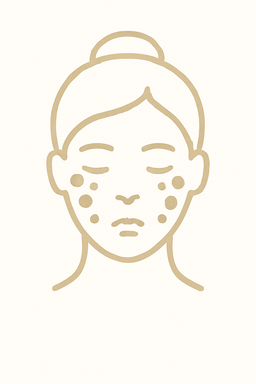
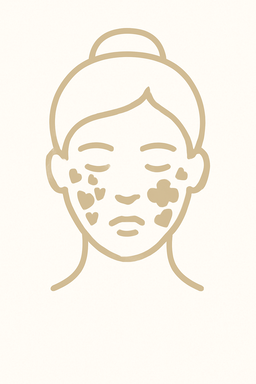
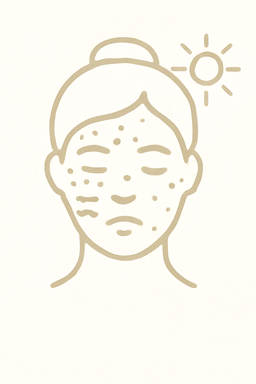
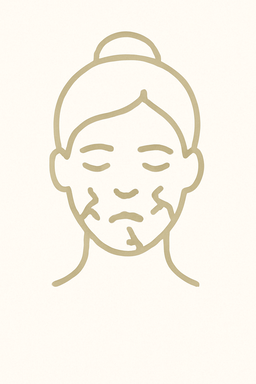
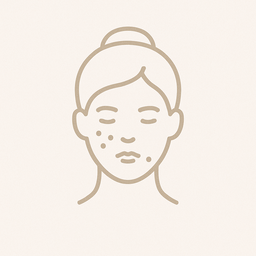
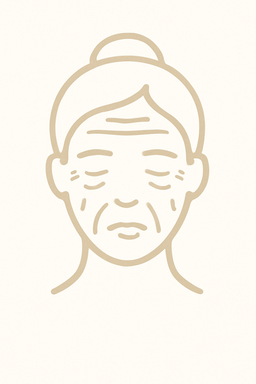
Not on the list? Look through everything we offer at our Ottawa clinic.
The difference
AFA or a traditional acid peel?
A traditional glycolic or TCA peel
- Works by stripping the surface layer off dry
- Pulls oil and water out of the healthy skin with it
- Stings going on, then feels tight for hours
- Two to five days of visible peeling and hiding
- Often ruled out for sensitive, dry or reactive skin
An AFA peel
- Hydrates the dead layer first, then lifts it
- Leaves the barrier underneath intact
- Warm rather than stinging
- Light flaking for two or three days, make-up the next day
- Usually still suitable when other peels are not
The trade-off is honest: a single AFA peel does less in one sitting than a strong TCA peel does. What it gives you instead is a treatment you can actually repeat every few weeks without your skin ever going backwards — and over a course, that is what moves pigment and texture further.
Getting ready
Pre & post treatment
The rules matter more before a peel than after one. Skin that arrives already stripped by actives will react differently to skin that has been left alone.
Before your appointment
- Stop actives early: no retinoids, AHAs, BHAs or prescription acne creams for five to seven days.
- No hair removal: skip waxing, threading, electrolysis and shaving the face for 48 hours.
- Protect from sun: no unprotected exposure, tanning beds or sunburn for at least a week.
- Tell us about cold sores: if you are prone to them, say so — it changes what we do.
- Mention recent treatments: anything on your face in the past fortnight.
After your appointment
- Expect tightness and light flaking for two or three days. Do not pick or pull at it.
- Keep it bland: a gentle cleanser and a rich moisturiser, nothing active.
- Hold everything: no exfoliants, vitamin C or retinoids until the flaking has fully stopped.
- No heat or sweat: skip hot showers, saunas, hard workouts and swimming for 48 hours.
- Daily SPF on new skin, without exception — fresh skin burns and marks easily.
Results
Chemical peel before and after
A client at You Glow Aesthetics. What changes with a peel is colour and clarity — the tone evens out and the surface stops looking grey.
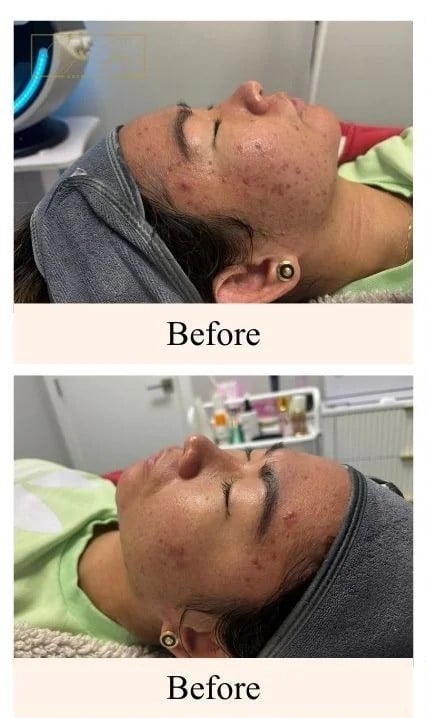
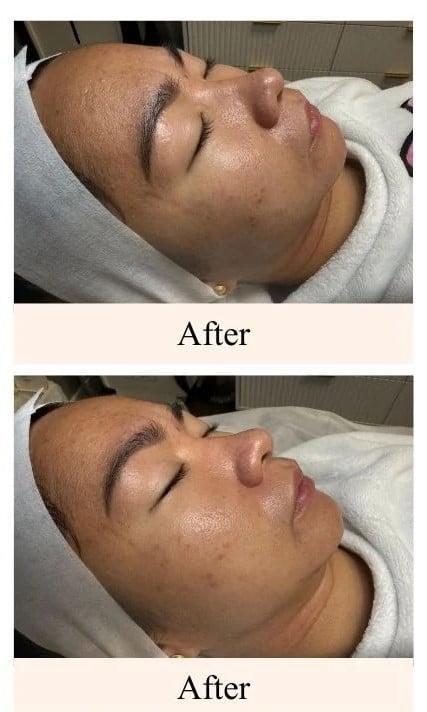
Individual results vary with skin type, how deep the pigment sits and how many peels are completed. Pigment work in particular is a course rather than a single visit.
Also at our Ottawa clinic
Treatments that pair well with a peel
- Hydro Facial in Ottawa — the gentler option when the skin needs hydrating more than resurfacing
- Microdermabrasion in Ottawa — mechanical rather than chemical, better for rough, thickened texture
- Microneedling in Ottawa — for the indented scars a peel cannot lift, once the tone is settled
- Anti-Aging Red Light Therapy in Ottawa — calms the skin down between peels
- Carbon Laser Peel — the more intensive resurfacing step, available across our clinics
- Chemical peels brand-wide — how the treatment works across all locations