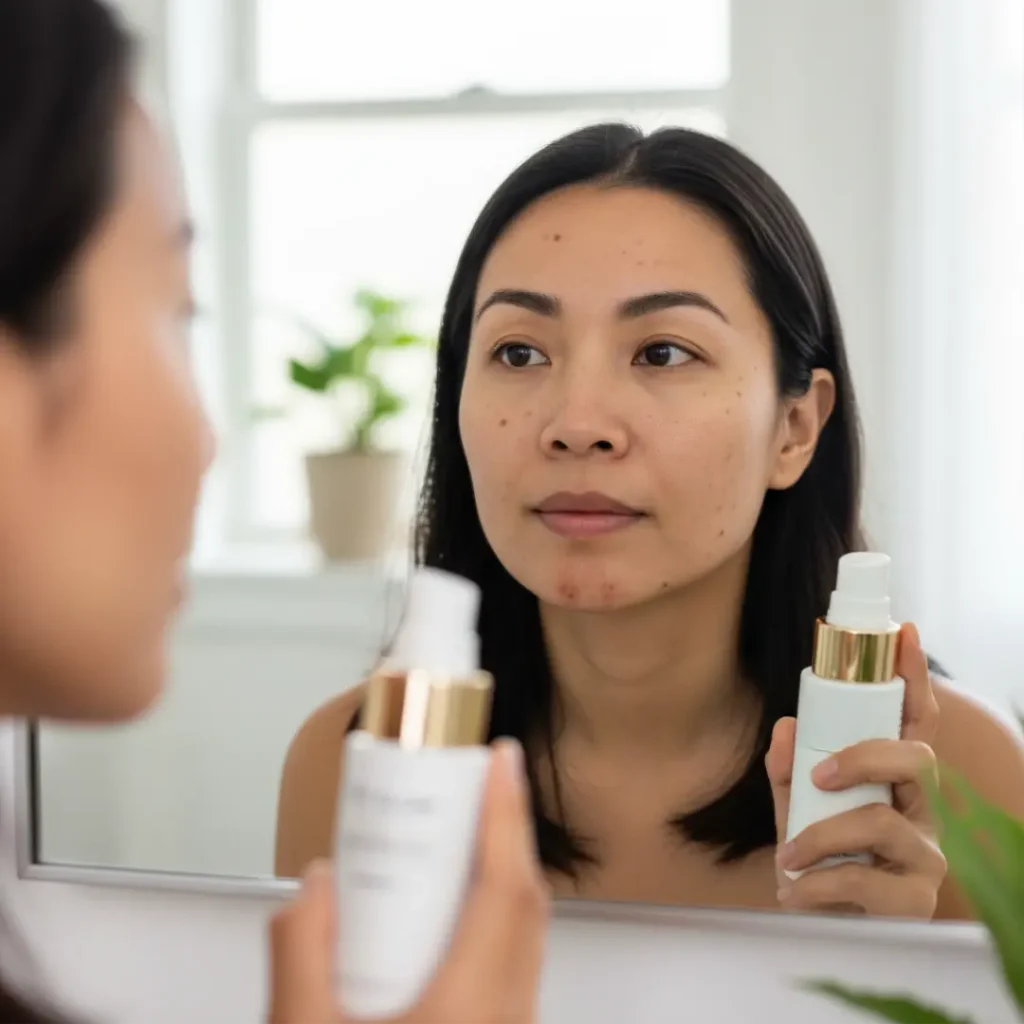
Pigmentation is one of the most common skin concerns. It shows up as dark spots, uneven patches, or areas of discoloration that make the skin look less smooth and even. While pigmentation itself is not dangerous, it can affect confidence and make people feel uncomfortable in their own skin. The good news is that there are many ways to treat pigmentation and restore a healthier, more even skin tone. This guide takes a deep look at what pigmentation is, what causes it, and the treatments that work best.
What Is Pigmentation?
Pigmentation refers to the color of the skin. It is controlled by melanin, the pigment that gives skin, hair, and eyes their color. When melanin is evenly spread, the skin looks balanced and smooth. But when certain areas produce too much melanin, dark spots or patches appear. This is called hyperpigmentation. On the other hand, some people may experience hypopigmentation, where the skin loses color in patches.
The most common types of pigmentation include:
- Sunspots (Lentigines): These are flat, brown spots caused by long-term sun exposure. They are most common on the face, hands, and chest.
- Melasma: Characterized by large, symmetrical patches of dark skin, often on the forehead, cheeks, and upper lip. It is strongly linked to hormonal changes.
- Post-Inflammatory Hyperpigmentation (PIH): Dark marks left behind after any type of skin injury or inflammation, such as acne, eczema, or cuts.
Understanding the type of pigmentation is the first step toward effective treatment, as each requires a slightly different approach.
Causes of Pigmentation
Several factors can trigger pigmentation, and often more than one cause is involved.
Sun exposure is the biggest factor. Ultraviolet (UV) rays and even visible light stimulate pigment cells (melanocytes), causing freckles, sunspots, and long-term discoloration. The sun is the primary accelerator of almost all types of pigmentation.
Hormonal changes also play a role, especially in conditions like melasma, which often appears during pregnancy or from birth control pills.
Skin injuries or inflammation, such as acne, eczema, or cuts, can leave behind dark marks. This is called post-inflammatory hyperpigmentation (PIH). The inflammation causes the skin to produce excess melanin as part of the healing process.
Genetics also play a role, since some people, particularly those with medium to darker skin tones, are more prone to pigmentation than others due to having more active melanocytes. Aging adds another layer, as years of sun exposure and slower cell turnover make uneven tone more noticeable.
Everyday Habits for Even Skin
Daily habits have a big impact on preventing and managing pigmentation. Sun protection is the most important step. A broad-spectrum sunscreen with SPF 30 or higher should be applied every morning, even on cloudy days, because UV rays pass through clouds and windows. Hats, sunglasses, and staying in the shade also help protect the skin.
Gentle skincare is equally important. Harsh scrubs or strong products can irritate the skin, leading to more pigmentation (PIH). Instead, a routine with a mild cleanser, hydrating moisturizer, and targeted treatments supports skin balance. Eating a diet rich in fruits, vegetables, and antioxidants helps protect skin from damage, while drinking water supports overall hydration and glow. Avoiding picking at acne or scabs is crucial to prevent the PIH marks they leave behind.
Over-the-Counter Treatments
For many people, store products are the first step in fading pigmentation.
Vitamin C serums are popular because they brighten skin and block pigment production, acting as a potent antioxidant. Niacinamide (a form of vitamin B3) reduces dark spots and improves overall tone by stopping the transfer of pigment. Ingredients like kojic acid, arbutin, and licorice extract are also effective in lightening discoloration.
Retinol, a vitamin A derivative, speeds up cell turnover, helping fade dark spots and smooth the skin. Exfoliating acids like glycolic acid and lactic acid remove dead cells, allowing brighter skin to show through.
These treatments must be used consistently for weeks or months to see results. Stopping too soon prevents real improvement.
Prescription Medicines
When pigmentation is more stubborn, dermatologists can prescribe stronger options. Hydroquinone is one of the most common prescription creams, as it reduces melanin production and lightens dark patches. Sometimes it is combined with retinoids or corticosteroids for faster results in a triple-combination cream.
Other prescription treatments include stronger retinoids like tretinoin and creams with azelaic acid or tranexamic acid. These are usually recommended for melasma or severe hyperpigmentation. Because these products can cause irritation if not used correctly, they should always be applied under medical guidance.
Professional Treatments
For deeper or long-term pigmentation, professional treatments may deliver the best results.
Chemical peels use safe acids to remove the top layer of skin, encouraging new, even-toned skin to form. Different strengths are used depending on the severity of pigmentation.
Laser therapy targets melanin directly, breaking up pigment and allowing the body to absorb it. This treatment must be carefully chosen for each skin type, since not all lasers are safe for darker skin.
Microneedling creates tiny channels in the skin, stimulating healing and allowing serums to work more effectively.
Microdermabrasion, a gentle exfoliation procedure, removes surface layers and improves overall brightness.
These treatments often require multiple sessions and ongoing sun protection to maintain results.
Natural and Home Remedies
Some people prefer natural approaches to pigmentation. While results are often mild, they can help when combined with professional treatments. Aloe vera has soothing and mild lightening properties, while green tea extract provides antioxidants that protect against further damage. Honey masks can brighten dull skin, and turmeric is sometimes used for its natural anti-inflammatory benefits. However, natural remedies should always be patch-tested to avoid irritation.
Myths About Pigmentation
There are many myths about pigmentation. One common myth is that it only happens to older people. In reality, pigmentation can affect people of all ages, especially after acne or sunburn. Another myth is that tanning hides dark spots, but tanning actually makes pigmentation worse. Some believe that pigmentation can be permanently removed, but in most cases, it can only be managed and controlled long-term. Finally, some think only women get pigmentation, but men can also develop sunspots, melasma, and uneven skin tone.
Achieving Clarity: You Glow Aesthetics’ Approach to Pigmentation
At You Glow Aesthetics, we recognize that hyperpigmentation is a complex issue requiring a strategic, personalized plan. Our focus is on identifying the specific type and depth of your pigmentation and combining the safest, most effective clinical treatments with supportive medical-grade home care. We aim not just to fade existing dark spots, but to stabilize the melanocytes and prevent future discoloration.
What We Do for Pigmentation Concerns
Our practitioners utilize advanced technology and expert techniques to deliver visible, lasting improvement for all forms of hyperpigmentation, including sun damage, PIH, and melasma.
1. Advanced Exfoliation and Cell Turnover
Effective treatment begins by removing the layers of pigmented skin cells and speeding up the production of new, clear skin.
- Custom Chemical Peels: We offer a range of professional-grade Chemical Peel treatments, including specialized blends designed to target melanin. From superficial peels for sunspots and PIH to medium-depth options, we customize the acid combination (like TCA, Salicylic, or Lactic Acid) to your skin type and concern to ensure maximum results with minimal risk of inflammation.
- Dermaplaning and Microdermabrasion: These manual exfoliation techniques gently remove the top layer of dead, dull skin, instantly revealing a brighter complexion and allowing topical brightening products to penetrate more effectively.
- Carbon Laser Peel: This non-ablative laser treatment uses a layer of carbon paste to deep-clean pores and gently exfoliate the skin, significantly improving overall tone and texture while reducing superficial pigmentation.
2. Targeted Energy and Light Treatments
For deep or stubborn pigment like dermal melasma and persistent sun damage, we employ specialized light and laser devices:
- Intense Pulsed Light (IPL) Therapy: Our IPL Facial Treatment is highly effective at targeting and breaking up discrete spots like freckles and sun damage. It uses broad-spectrum light to absorb excess pigment, which then surfaces and flakes off, leaving clearer skin underneath. Note: IPL is used with caution and tailored settings for melasma patients.
- Melasma-Safe Laser Protocols: For deeper, hormonal pigment, we use advanced laser settings that are safer for darker skin tones. These treatments gently heat the pigment, breaking it down into tiny particles that the body can naturally eliminate, without causing the intense heat that typically worsens melasma.
3. Restorative and Inhibitory Procedures
We focus on delivering key ingredients deep into the skin to interrupt the melanin production cycle and promote cellular repair.
- Microneedling: We combine this collagen-stimulating treatment with powerful brightening serums, such as Tranexamic Acid or high-concentration Vitamin C, driving these active ingredients deeper into the skin to address pigment at the source.
- Specialized Facials: Our range of customized facials, including the Blue Ice HydroFacial and Signature Facial, integrate professional-strength pigment inhibitors, antioxidants, and hydration to soothe, protect, and brighten the skin.
4. Professional Home Care Plan
The long-term success of pigmentation treatment relies heavily on a tailored home care routine. We utilize our advanced Products and work with you to integrate prescription-strength ingredients, medical-grade brighteners, and, most importantly, high-quality mineral sunscreens into your daily regimen. Consistency in protection and inhibition is the ultimate key to maintaining your results.
When to See a Professional
If pigmentation keeps getting worse, covers large areas, or does not improve after months of home care, it’s best to see a professional at You Glow Aesthetics. A practitioner can confirm whether the discoloration is pigmentation or another condition and suggest the most effective treatment. This is especially important for melasma, which often requires long-term, professional management. Visit our Skin Treatments pages to see all the options available at your local clinic.
Conclusion
Pigmentation is a common concern, but it does not have to take over your skin. By understanding the causes, protecting yourself from the sun, and using proven professional treatments, it is possible to reduce discoloration and restore a more even tone. You Glow Aesthetics is dedicated to providing the expert care, advanced technology, and personalized plans necessary to help you achieve a smoother, clearer, and more balanced complexion. The key is patience, consistency, and choosing the right plan for your skin type.
Ready for a Clearer, Brighter Complexion?
Stop covering your dark spots and start treating them.
Book your personalized Pigmentation Consultation at You Glow Aesthetics today and let our experts create a custom plan to restore your skin’s natural radiance.