About the treatment
What microdermabrasion actually is
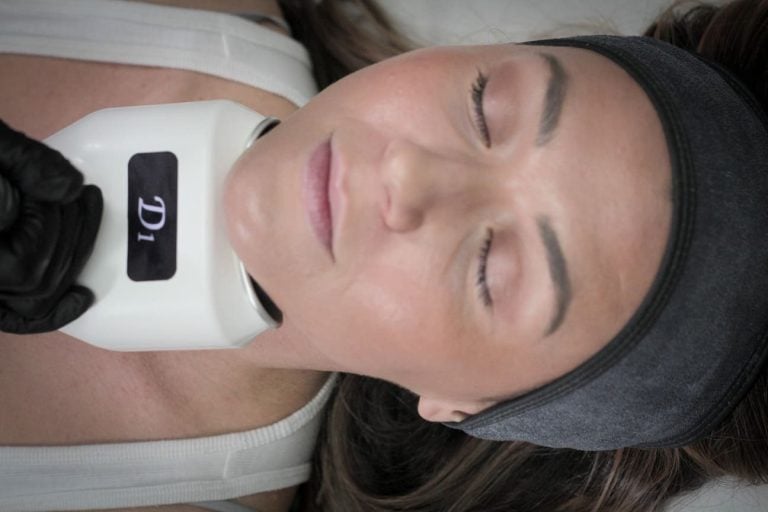
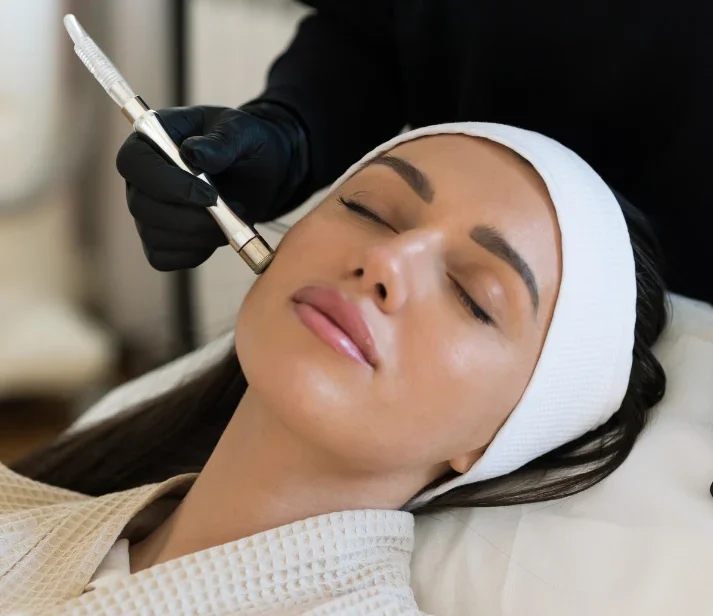
Microdermabrasion is mechanical exfoliation. A diamond-tipped wand passes across the skin and physically buffs off the stratum corneum — the outermost layer of dead cells — while suction built into the same wand lifts the debris away as it goes.
Nothing is dissolved and no acid is involved. That is the appeal: the result is immediate, entirely predictable, and there is no chemical reaction that might behave differently on your skin than on someone else’s. What you feel is a firm, sandy pass and a light pull; what you see, within the hour, is skin that reflects light instead of scattering it.
Clearing that dead layer also removes a barrier. Serums and moisturisers applied afterwards reach where they are meant to go, and the skin’s own turnover speeds up for a while. At our Ottawa clinic on McCarthy Road the abrasion level and the suction strength are both set per face, so the same machine treats congested oily skin and thin, dry skin quite differently.
How it works
What it does to your skin
One pass of the wand does two jobs at once. That is the whole design.
The diamond tip abrades
The tip is a genuine abrasive surface, and it takes the dull, rough layer off by contact. This is why microdermabrasion outperforms acids on thickened, weathered texture — it removes the surface physically instead of waiting for a chemical to loosen it.
The suction clears and stimulates
The vacuum pulls the loosened cells away before they resettle, and it draws blood to the surface at the same time. That circulation is part of why skin looks flushed and alive straight afterwards rather than merely clean.
Pores empty out
Blackheads and the plugs sitting in congested pores come away with the surface layer. Pores do not shrink — nothing shrinks a pore — but emptied and with firmer skin around them, they read as noticeably smaller.
Renewal speeds up
Taking the surface off signals the skin to replace it. Over the following weeks that means new cells, better absorption of whatever you put on at home, and make-up that sits flat instead of catching on dry patches.
Why here
What it does for Ottawa skin
Two seasons, two different problems, and this treatment happens to answer both of them.
Winter build-up
Cold, dry air and constant indoor heating slow the rate at which skin sheds. Dead cells stay put for longer than they should, which is exactly what makes a complexion look sallow by January. Buffing that layer off is the most direct answer there is.
Summer congestion
Ottawa summers are humid, and humidity plus city air means more oil and more clogged pores. The suction clears that out properly, which is why texture and blackheads usually improve after one session.
Years on the canal add up
Skating season and summers outdoors both mean UV exposure, and superficial sun spots settle in the surface layers. Microdermabrasion fades the shallowest of them; anything deeper is work for an AFA chemical peel.
Your skincare finally works
Expensive serums do very little through a thickened dead layer. Clearing it is often the reason a routine that seemed to have stopped working suddenly starts performing again.
Indications
What is it good for?
Surface problems, essentially. If you can feel it with your fingertips, microdermabrasion is likely the right tool.
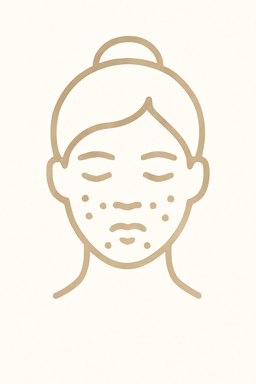
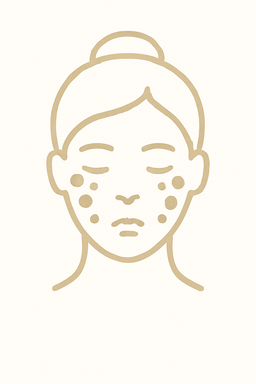
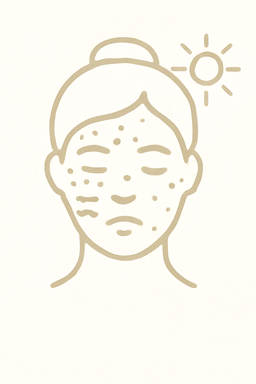
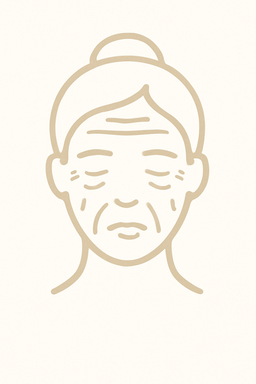
Active breakouts, rosacea or very reactive skin are reasons to talk to us first rather than book straight in. Everything else we offer is on our Ottawa clinic page.
The difference
Microdermabrasion or a Hydro Facial?
Microdermabrasion
- Abrasive — a diamond tip physically sands the surface
- Best for rough, thickened, weathered texture
- Removes. It does not put anything back in
- The stronger choice for dullness you can feel
A Hydro Facial
- Fluid-based — liquids exfoliate, suction extracts
- Best for dehydration and congested pores
- Removes and then infuses serums
- The gentler choice for reactive or very dry skin
They are not competitors so much as different instruments. Rough and thickened skin wants sanding; thirsty, congested skin wants clearing and feeding. Plenty of clients alternate the two through the year — microdermabrasion when texture is the complaint, a Hydro Facial when the skin is stripped and needs putting back together.
Getting ready
Pre & post treatment
Straightforward on both sides — this is one of the lowest-maintenance treatments we offer.
Before your appointment
- Hold actives: no retinoids, AHA/BHA acids or strong exfoliants for three to five days.
- No recent irritation: avoid tanning, waxing or a peel on the same area beforehand.
- Arrive clean: make-up off, and skip heavy creams and serums that morning.
- Tell us: active breakouts, sunburn or any recent cosmetic procedure.
After your appointment
- Expect warmth and a little pink for an hour or so. That is the extent of it.
- Moisturise gently: fragrance-free, and hold retinoids and acids for three to five days.
- SPF daily: the new surface is more sun-sensitive than the one that came off.
- Skip the heat: no hot showers, saunas or heavy sweating for 24 to 48 hours.
- Use the window: whatever you apply in the next few days absorbs unusually well.
Also at our Ottawa clinic
Treatments that work well around this one
- Hydro Facial in Ottawa — the hydrating counterpart, and the better first choice for dry or reactive skin
- AFA Chemical Peel in Ottawa — goes after pigment and tone, which abrasion alone will not shift
- Microneedling in Ottawa — the step up when the problem is scarring rather than surface texture
- Blue Light Therapy in Ottawa — for congestion that keeps turning into breakouts
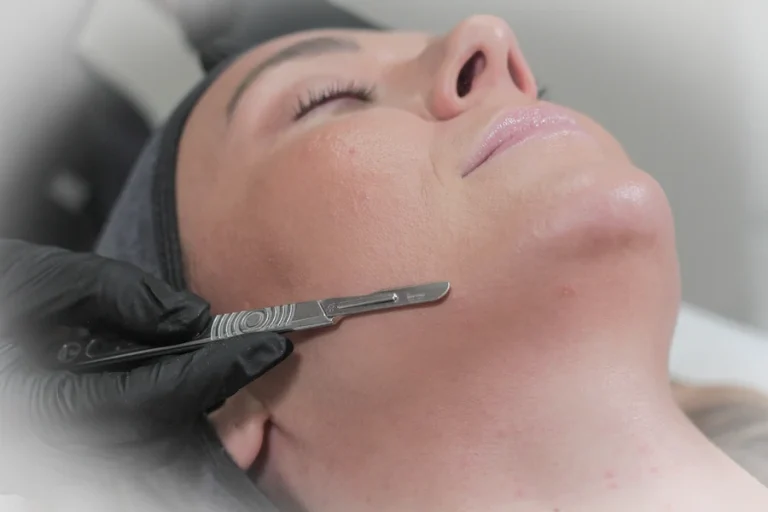
- Dermaplaning — a different kind of manual exfoliation, easy to add on
- Microdermabrasion brand-wide — how the treatment works across all our clinics