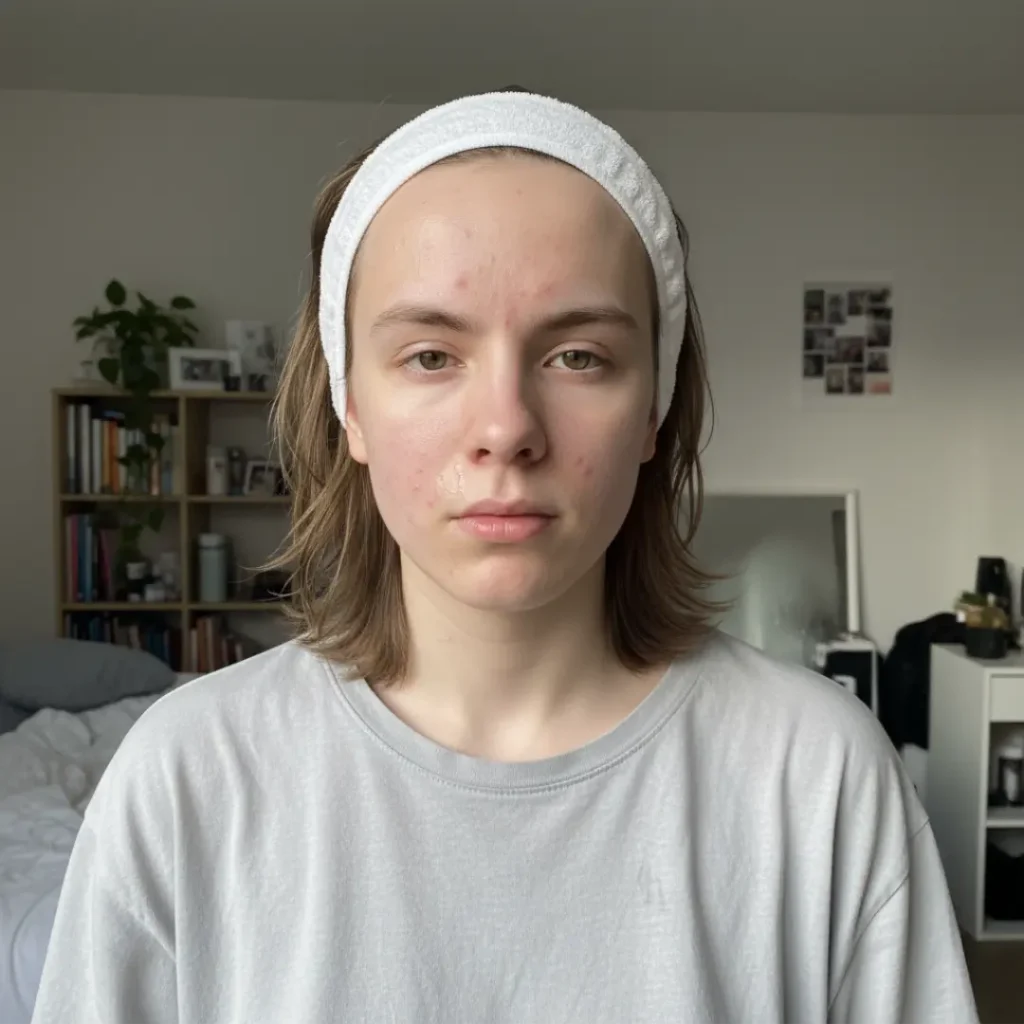
Acne is one of the most common skin conditions worldwide. It affects millions of people, from teenagers to adults, and can show up on the face, chest, shoulders, and back. While acne is not life-threatening, it can feel overwhelming. Breakouts may lower confidence, make social life harder, and leave lasting marks if not treated the right way. The good news is that acne can be managed. By learning the causes and using the right treatments, clear and healthy skin is possible.
What Exactly Is Acne?
Acne starts in the pores of the skin. Each pore has a hair follicle with a tiny oil gland. These glands make sebum, a natural oil that keeps skin soft and protected. When too much oil is made, it mixes with dead skin cells and blocks the pore. Bacteria that live on the skin then multiply inside the blocked pore. The result? Red bumps, whiteheads, or even painful cysts.
Acne is not just one kind of spot—it comes in different forms. Some are mild, like blackheads, while others, such as cysts, are deep and can scar. Knowing the type of acne is the first step to finding the right treatment.
Main Causes of Acne
- Hormones
Hormones are one of the biggest triggers. During puberty, the body makes more androgens, which increase oil production. Women may notice acne during pregnancy, before periods, or when hormone levels change. - Genetics
If parents had acne, there’s a strong chance their children will too. Genetics affect how much oil skin produces and how the body reacts to bacteria and inflammation. - Diet
Food doesn’t “cause” acne directly, but some diets make it worse. High sugar foods, white bread, and milk products may trigger breakouts in certain people. Scientists believe these foods raise insulin, which increases oil production. - Stress
Stress can worsen acne by increasing hormone levels like cortisol. Stress also affects sleep and habits, which may lead to more breakouts. - Skin and Hair Products
Heavy lotions, makeup, or hair products can block pores. It’s best to look for products labeled “oil-free” or “non-comedogenic.” - Lifestyle and Hygiene
Sweating, touching the face often, or not washing off makeup can make acne worse. Even dirty pillowcases and cell phones can add bacteria and oil to the skin.
Different Types of Acne
- Whiteheads: Closed bumps under the skin.
- Blackheads: Open pores clogged with oil that turn dark.
- Papules: Red bumps without pus.
- Pustules: Pimples filled with white or yellow pus.
- Nodules: Large, firm bumps deep in the skin.
- Cysts: Painful, pus-filled lumps that can scar.
Mild acne may only involve whiteheads and blackheads, but severe acne often includes nodules and cysts.
Treatment Options
Acne treatment is not “one size fits all.” What works for one person may not work for another. The right choice depends on the type of acne, how severe it is, and how the skin reacts. Treatment usually takes time, often several weeks, and may need a mix of products, prescriptions, and lifestyle changes.
Over-the-Counter Products
For mild acne, many people start with products available at drugstores. These are easy to find and usually safe when used correctly.
- Benzoyl Peroxide
This is one of the most common acne ingredients. It works by killing the bacteria that cause pimples. It also reduces redness and swelling. Benzoyl peroxide comes in different strengths (from 2.5% up to 10%) and can be found in gels, creams, and cleansers. A lower strength often works just as well as higher ones, but with less irritation. - Salicylic Acid
Salicylic acid helps break down dead skin cells and unclogs pores. This makes it especially helpful for blackheads and whiteheads. It can be found in face washes, pads, or spot treatments. Salicylic acid works best when used regularly because it gently exfoliates over time. - Retinoids (like adapalene)
Retinoids are vitamin A-based creams or gels that prevent pores from becoming blocked. They also speed up how quickly skin cells renew themselves, helping old cells shed and new ones grow. Adapalene is a mild retinoid now sold without a prescription. It is usually applied once at night because it can make the skin more sensitive to sunlight. - Sulfur and Other Ingredients
Some products contain sulfur, which reduces oil and bacteria, or alpha hydroxy acids (AHAs), which help peel away dead skin cells. These may be useful for people who don’t respond to benzoyl peroxide or salicylic acid.
Important Note: Over-the-counter products take time. It can take 6–8 weeks of consistent use before real improvement is seen. Stopping too soon may prevent results.
Prescription Medicines
When over-the-counter treatments are not enough, dermatologists may recommend prescription options. These are stronger and can target deeper or more stubborn acne.
- Topical Antibiotics
These creams or gels reduce bacteria and lower inflammation. They are often combined with benzoyl peroxide to prevent antibiotic resistance. - Oral Antibiotics
For moderate to severe acne, doctors may prescribe pills such as doxycycline or minocycline. These reduce bacteria inside the body and help calm the skin. Antibiotics are usually taken for a few months, not long-term. - Prescription Retinoids (Tretinoin, Adapalene, Tazarotene)
These are stronger than drugstore retinoids. They unclog pores, reduce oil, and improve skin turnover. Because they may cause irritation at first, doctors often recommend starting with small amounts. - Hormonal Therapy
In women, acne is sometimes linked to hormone changes. Birth control pills or anti-androgen medicines can help balance these hormones, lowering oil production and breakouts. - Isotretinoin (Accutane)
This is the most powerful acne treatment. It is used for severe, cystic acne that does not respond to other treatments. Isotretinoin works by shrinking oil glands, killing bacteria, and reducing inflammation. While very effective, it requires close medical supervision because it can cause side effects.
Professional Treatments
Dermatologists and skincare professionals offer treatments that go beyond creams and pills. These can be especially helpful for people with stubborn or scarring acne.
-
- Chemical Peels
These treatments use special solutions to remove the outer layer of skin. This clears pores, reduces oil, and can even help lighten acne scars. For more information, read our article on Amino Fruit Acid (AFA) Chemical Peels. You can also check out our comparison of microneedling vs. chemical peels. - Laser and Light Therapy
Different types of lasers and lights target bacteria, oil production, or skin healing. Blue light therapy kills acne bacteria, while red light therapy reduces inflammation. Laser therapy can also help with scars. Learn more about these options:
- Chemical Peels
- Drainage and Extraction
Large, painful cysts sometimes need to be drained by a dermatologist. This is safer than trying to pop pimples at home, which can lead to infection and scars. - Steroid Injections
For big, swollen pimples, doctors may inject a small amount of steroid directly into the spot. This quickly reduces swelling and pain, often shrinking the pimple within a day.
Everyday Habits to Support Clear Skin
Daily habits are just as important as medicines. These steps support treatments and prevent new breakouts:
- Gentle Cleansing: Wash your face twice a day with a mild cleanser. Avoid scrubbing, which irritates the skin and makes acne worse.
- Makeup and Sunscreen: Choose oil-free, non-comedogenic products. Always remove makeup before bed.
- Hair and Hygiene: Wash hair regularly and keep it away from the face. Change pillowcases, towels, and bedsheets often to reduce bacteria.
- Healthy Eating: Limit sugar, fast food, and dairy if they seem to trigger acne. Eat more fruits, vegetables, and whole grains.
- Hydration and Sleep: Drink plenty of water and aim for 7–9 hours of sleep each night. Both help the skin heal.
- Stress Control: Stress raises hormone levels that worsen acne. Activities like exercise, meditation, or simple deep breathing can help.
These steps will not cure acne by themselves, but they support other treatments and make flare-ups less frequent.
Acne Scars and Long-Term Care
Even after acne clears, scars may remain. Scars can look like small pits, raised bumps, or dark marks. Dermatologists have many ways to treat them:
- Microneedling: A tool with tiny needles makes small holes in the skin, encouraging collagen growth. This smooths out scars over time. You can read more about it in our guide to microneedling.
- Laser Resurfacing: Special lasers remove damaged skin layers and stimulate new skin growth.
- Fillers: Soft gels are injected under deep scars to lift them to the level of surrounding skin.
- Chemical Peels: Lighter peels can fade dark spots, while stronger peels smooth out rough texture.
Long-term care means preventing new acne while slowly treating scars. It is best to clear active acne first before focusing on scar treatments.
Myths About Acne
Many myths about acne make it harder to treat:
- “Acne comes from dirt.” Washing too much actually irritates skin. Acne is caused by oil, bacteria, and hormones, not dirt.
- “Only teens get acne.” Adults can have acne, especially women during hormone changes.
- “Sunlight clears acne.” The sun may dry pimples for a short time, but UV rays damage skin, trigger oil production, and cause scars.
- “Popping pimples helps them heal.” Squeezing spreads bacteria and often leaves scars.
When to See a Doctor
See a dermatologist if:
- Acne is painful, deep, or leaving scars.
- Over-the-counter products don’t help after 2–3 months.
- Acne affects daily life or lowers self-esteem.
Dermatologists can create a personalized plan, combining medicines, lifestyle tips, and procedures to bring long-lasting results.
Conclusion
Acne may be common, but it can be managed with the right steps. From store products to prescription medicines and dermatologist treatments, many options are available. Combining these with healthy daily habits makes a big difference. The most important thing is patience—acne takes time to heal, but with consistency, clear skin is within reach.
Ready to Go Beyond the Blemish?
Say goodbye to guessing games and hello to clear, radiant skin. Our experts at You Glow Aesthetics are ready to help you uncover the true causes of your acne and create a personalized plan that works.
Book your consultation today and start your journey to a blemish-free future.