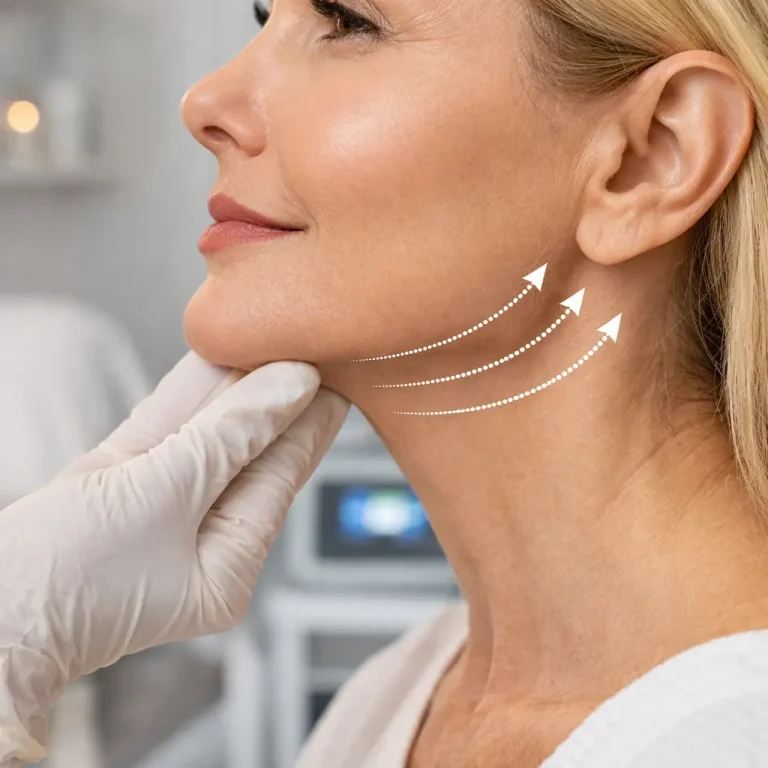
Aging is a natural part of life, but many people want to slow down its visible signs. Wrinkles, fine lines, age spots, and skin sagging are all common concerns. While we cannot stop time, we can take steps to protect and care for our skin so that it looks healthier and more youthful for longer. This guide explains why aging happens, what treatments are available, and how lifestyle choices play a big role in keeping skin fresh and radiant.
Why Does Skin Age?
Skin changes as we get older because of both inside and outside factors. Inside the body, collagen and elastin—the proteins that keep skin firm and elastic—begin to break down. Skin also produces less natural oil, making it drier and more prone to wrinkles. Cell turnover slows, meaning dead skin stays longer on the surface, giving a dull look.
Outside factors play a big role, too. Sun exposure is the biggest cause of early aging, known as “photoaging.” Ultraviolet rays damage collagen and lead to spots and uneven tone. Pollution, smoking, stress, and poor diet can also speed up aging. Together, these factors shape how skin looks over time.
Early Signs of Aging
The first signs of aging often appear in the mid-20s to 30s. Fine lines around the eyes, called “crow’s feet,” may form. Skin might look less bright, and pores may seem larger. By the 40s and 50s, wrinkles deepen, skin loses firmness, and age spots become more noticeable. Some people also see changes in texture, such as rough patches or thin skin. Recognizing these signs early can help people start treatments before aging becomes more advanced.
Everyday Habits for Younger Skin
The way we live every day has a strong effect on skin health. Protecting skin with simple habits helps delay signs of aging.
Wearing sunscreen daily is the most important step. Even on cloudy days, ultraviolet rays reach the skin. A broad-spectrum sunscreen with SPF 30 or higher prevents wrinkles, spots, and skin cancer. Gentle cleansing and moisturizing help keep skin balanced and hydrated. Choosing products with antioxidants like vitamin C can protect against pollution and stress damage.
Healthy lifestyle choices are just as powerful. Eating a diet rich in fruits, vegetables, whole grains, and lean proteins provides nutrients that support collagen production. Drinking water helps skin stay hydrated, while regular exercise improves blood flow and brings oxygen to the skin. Getting enough sleep allows the body to repair and restore itself. Avoiding smoking and limiting alcohol are key, since both cause premature wrinkles and dryness.
Over-the-Counter Treatments
Many people start with products available at beauty stores or pharmacies. These products are easy to use at home and can improve early signs of aging when used consistently.
- Moisturizers with Hyaluronic Acid: These draw water into the skin, making it look plumper and smoother. They work especially well for fine lines caused by dryness.
- Retinol: A vitamin A ingredient that boosts cell turnover and stimulates collagen. Retinol can fade fine lines, smooth rough texture, and brighten dull skin. Because it may cause irritation, beginners should start with a low strength and use it at night.
- Antioxidant Serums: Vitamin C is a popular choice because it protects against sun damage, reduces spots, and improves glow. Other antioxidants like vitamin E and niacinamide also help protect and repair.
- Peptides: These small proteins signal the skin to produce more collagen, helping to maintain firmness.
Using these products daily for weeks or months is necessary before seeing real results. Stopping too soon prevents long-term improvement.
Prescription Medicines
For stronger results, dermatologists may prescribe treatments.
- Prescription Retinoids (like Tretinoin): These are stronger than store versions of retinol and have been proven to reduce wrinkles and improve skin texture. They can also treat acne and uneven tone.
- Hydroquinone or Prescription Creams for Pigmentation: These fade dark spots caused by sun exposure or aging. They may be combined with other treatments like chemical peels for best results.
- Topical Antioxidants and Anti-Inflammatories: Doctors may prescribe higher-strength serums or creams to repair skin at a deeper level.
These medicines often require close monitoring since they can cause side effects such as dryness, peeling, or irritation.
Professional Anti-Aging Treatments
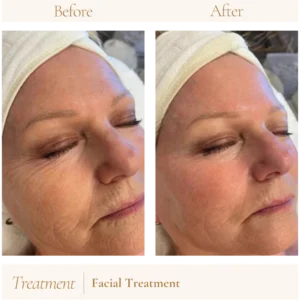
When creams alone are not enough, professional treatments provide stronger and faster results. Dermatologists and aesthetic clinics offer several options:
- Chemical Peels: These use safe acids to remove the outer layer of skin, revealing smoother and fresher skin beneath. They improve fine lines, uneven tone, and spots. Learn more about a type of chemical peel here.
- Microdermabrasion and Dermaplaning: These exfoliation treatments remove dead skin and promote cell renewal. The result is brighter, softer skin. You can get more information about Dermaplaning on our blog.
- Laser and Light Therapies: Lasers stimulate collagen and target age spots, while light therapies reduce redness and improve texture. Read about our LED Light Treatment and the benefits of Anti-Aging with Red Light Therapy.
- Microneedling: This treatment uses tiny needles to trigger the skin’s natural healing process, encouraging collagen production. It is often combined with serums for better results. For more details, check out our page on Microneedling.
- Dermal Fillers and Botox: Fillers restore lost volume in cheeks or lips, while Botox relaxes muscles that cause wrinkles like frown lines. These are quick procedures with noticeable results, but they must be repeated to maintain the effect.
- Radiofrequency and Ultrasound Treatments: These use heat energy to tighten skin and stimulate collagen growth without surgery. Our Skin Tightening Facial is an example of this.
Each treatment has benefits, risks, and costs. A professional consultation is important to find the right choice for each person’s skin type and goals.
Anti-Aging Myths
There are many myths about anti-aging, and believing them can waste time and money.
One myth is that only expensive products work. In reality, many affordable options with proven ingredients like retinol and vitamin C are effective. Another myth is that once wrinkles appear, nothing can help. While we cannot erase every line, consistent care and treatments can soften and improve them. Some people think sunscreen is only for summer, but sun damage happens every day, even indoors near windows. Finally, some believe that drinking lots of water alone will stop wrinkles. While hydration is important, it must be combined with good skincare and healthy habits.
When to See a Professional
If over-the-counter products are not giving results after a few months, it may be time to see a dermatologist. A professional can check skin health, identify concerns, and suggest stronger treatments. People with deep wrinkles, sagging skin, or severe pigmentation often benefit most from professional care. Early consultation is also helpful for anyone starting to notice changes in their skin and wanting to slow aging before it becomes more advanced.
Conclusion
Aging is a natural process, but we have more tools than ever to manage its effects. From daily habits and store-bought creams to advanced professional treatments, there are solutions for every stage of aging skin. The key is consistency, patience, and choosing options backed by science. By protecting skin from the sun, using proven ingredients, and seeking help when needed, it is possible to look and feel younger for longer.
Ready to Defy Your Age?
Unlock the secrets to youthful, radiant skin. Our experts at You Glow Aesthetics will guide you through the best anti-aging treatments and create a personalized plan to help you look and feel your best.
Book your consultation today and start your journey to timeless beauty.