About the treatment
What dermaplaning actually is
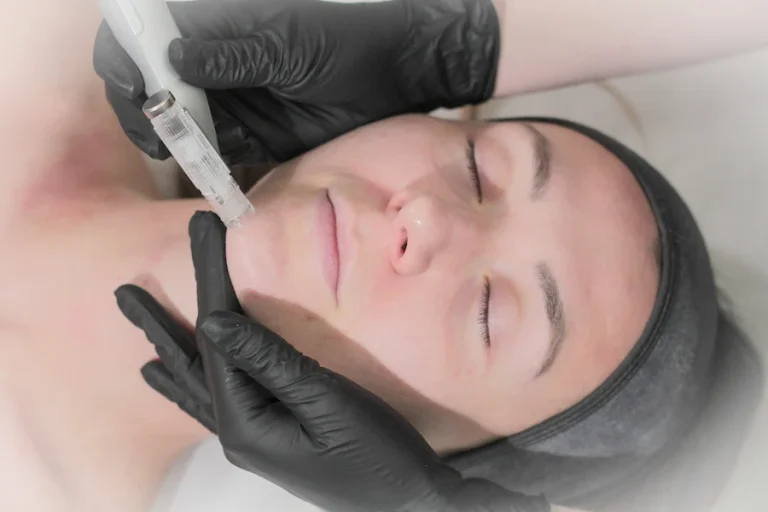
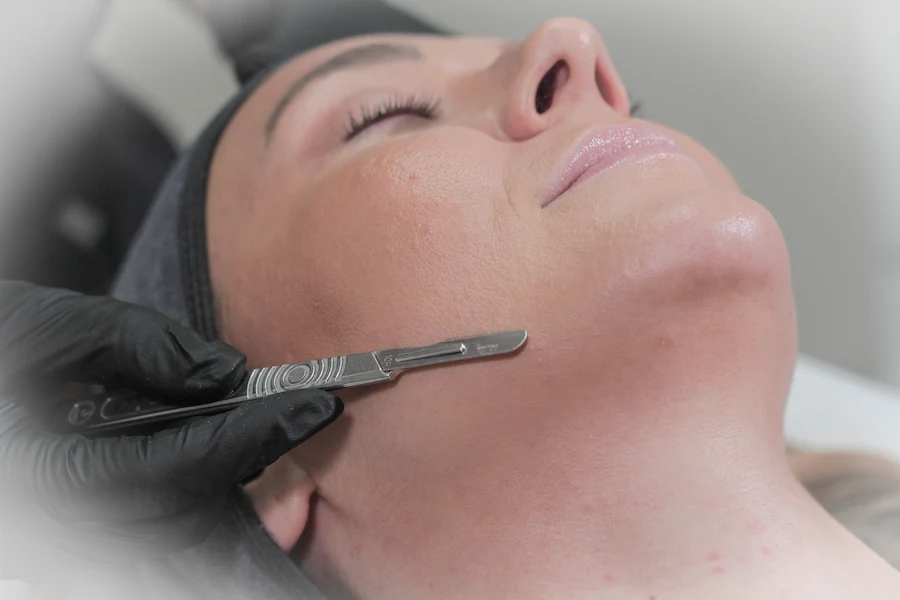
A sterile surgical blade, held at about forty-five degrees, drawn across taut skin in short strokes. It takes off the outermost layer of dead cells and the fine vellus hair sitting in it. That is the entire treatment — no chemicals, no lasers, no heat.
It is the most mechanical thing we do and, for that reason, the most predictable. There is no reaction to wait for and no variable that behaves differently on your skin than on someone else’s. You can see the result in the room, and the whole appointment takes about half an hour.
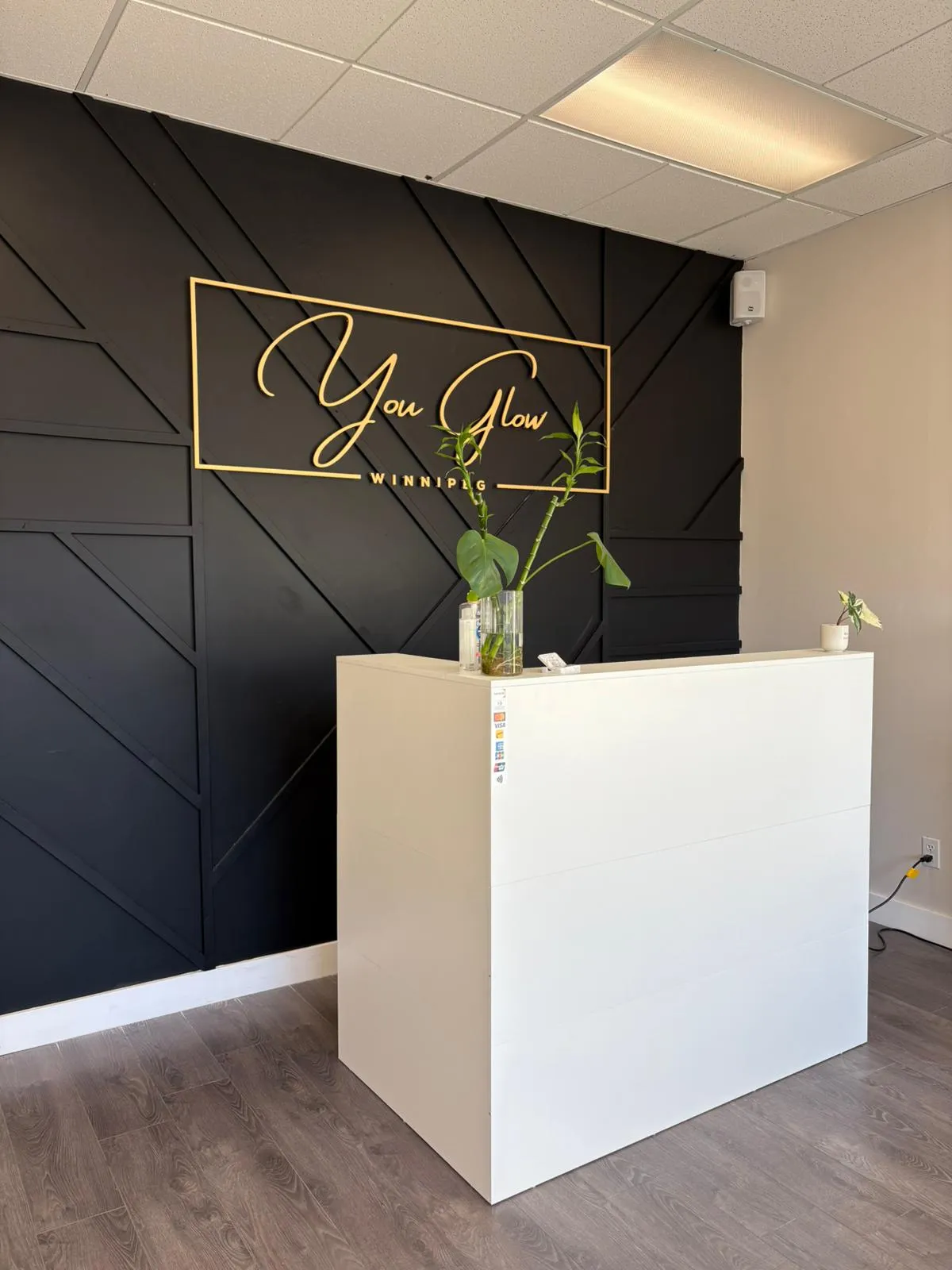
Most people book it for the peach fuzz and stay for the exfoliation. Removing that dead layer is why foundation stops catching on dry patches, why serums reach the skin instead of sitting on top of it, and why the face reflects light rather than scattering it. At our Pembina Highway clinic it is also the most common add-on to another treatment, because clearing the surface first makes whatever follows work harder.
The myth
No, the hair does not grow back thicker
This stops more people booking than any other worry, so it is worth dealing with properly rather than in a one-line reassurance.
The follicle is never touched
A blade cuts hair at the surface. Nothing reaches the follicle, and the follicle is the only thing that determines how thick a hair grows, what colour it is and how fast it comes through. Cutting the visible part cannot change any of that.
Why it feels different for a few days
Vellus hair tapers to a fine point. Cut it and the regrowth starts with a blunt square end, which feels coarser under a fingertip even though it is exactly the same hair. Within a week or two it has grown past that and feels normal again.
Vellus is not terminal hair
The soft fuzz on a cheek and the coarse hair on a scalp are biologically different types. Dermaplaning removes the first and has no effect at all on whether you have the second. It cannot convert one into the other.
Where the myth comes from
Shaving legs, mostly — where the same blunt-tip effect is far more noticeable on coarse hair, and where the timing of puberty made a generation believe shaving caused thickening. The observation is real. The explanation was wrong.
Why here
What it does for Winnipeg skin
Five months of dry indoor air produce a very specific problem, and manual exfoliation is a direct answer to it.
Dead cells stop shedding on time
Cold, dry conditions slow the rate at which skin turns over. Dead cells that should have gone stay put, and by January that build-up is what makes a complexion look grey and feel rough. A blade removes it in one pass.
Flaking is the visible half of it
Winter flaking is loose dead skin that has not detached cleanly. It is also what makes foundation cling in patches. Taking the layer off deliberately is considerably better than watching it come away unevenly.
Your moisturiser finally lands
Through a thickened dead layer, most of what you apply goes nowhere. This is why people conclude an expensive product has stopped working when the real problem is what is in its way. Clear the surface and the same product performs.
Gentle enough for a compromised barrier
No acid, no heat, no suction. On skin that has been wind-burned and over-treated, dermaplaning is often tolerated when a peel is not — though if the barrier is genuinely broken we will start you on a Hydro Facial instead.
Indications
What is it good for?
Surface problems and the things that follow from them. Nothing structural, and we would not pretend otherwise.
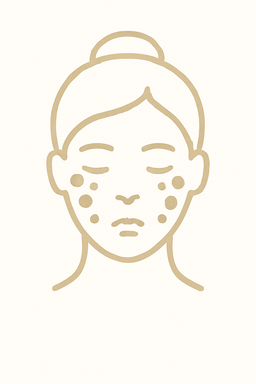
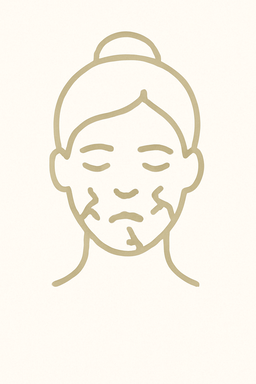
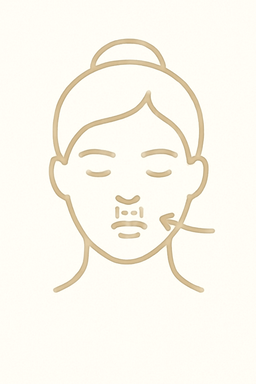
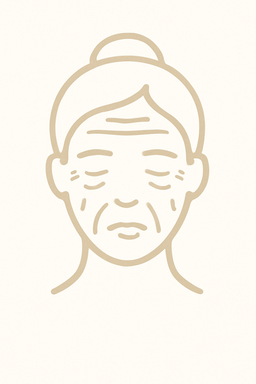
Active breakouts are worked around rather than treated over. The full list is on our Winnipeg clinic page.
Stacking it
Why it is usually not booked alone
Dermaplaning is a good treatment on its own and a very good first step in front of something else. Here is why the pairing works.
Before a peel
Removing the dead layer first means the acid reaches live skin evenly instead of being absorbed unevenly by build-up. A peel after dermaplaning works more predictably and often at a lower strength.
Before LED
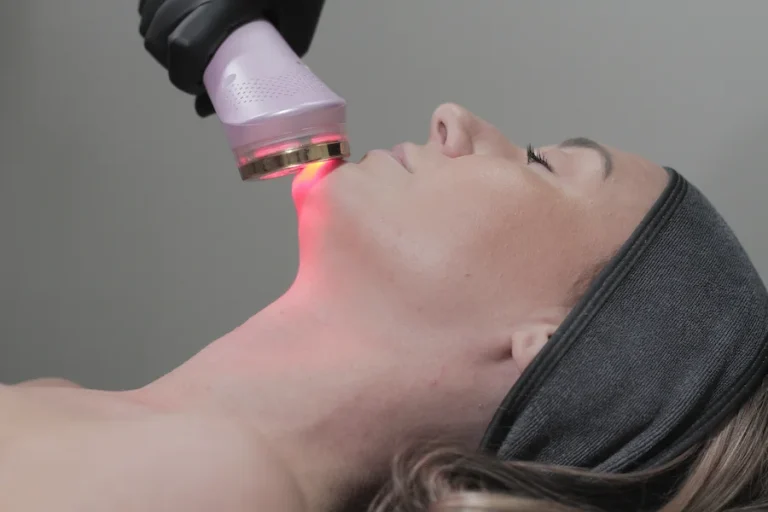
Light has to reach the skin to do anything, and a layer of dead cells and fine hair scatters it. Clearing first is a small change that measurably improves what red light therapy delivers.
Before an event
This is the one people book on its own, and rightly. Nothing else gives skin that reads smooth under make-up with zero recovery time. Two or three days before is the usual timing.
Getting ready
Pre & post treatment
Freshly resurfaced skin has lost its outer shield for a few days. Almost everything on the aftercare list follows from that one fact.
Before your appointment
- Skip actives: no exfoliating products, retinoids or AHA/BHA acids for three to five days.
- Avoid sun: minimise direct exposure in the days leading up.
- Arrive clean: a completely make-up-free face.
- Tell us about breakouts, cuts or a recent chemical peel — we work around them.
After your appointment
- Light redness or sensitivity is normal and fades quickly.
- SPF daily, strictly — the layer that was shielding you has just been removed.
- Pause actives for about a week: no exfoliants, retinoids or intense treatments.
- Hydrate gently with soothing, fragrance-free moisturiser and serum.
- Use the window: whatever you apply over the next few days absorbs unusually well.
Results
Dermaplaning before and after
A client at You Glow Aesthetics. The difference is in how the surface handles light — smooth skin reflects it, built-up skin scatters it.
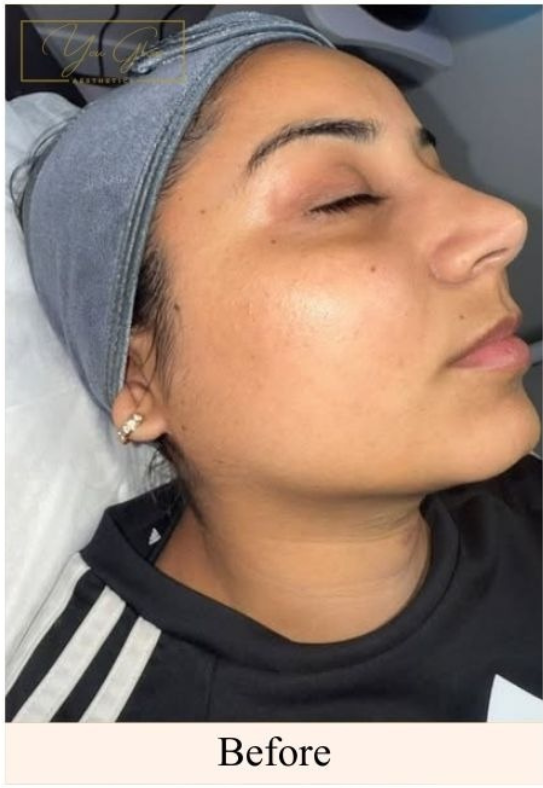
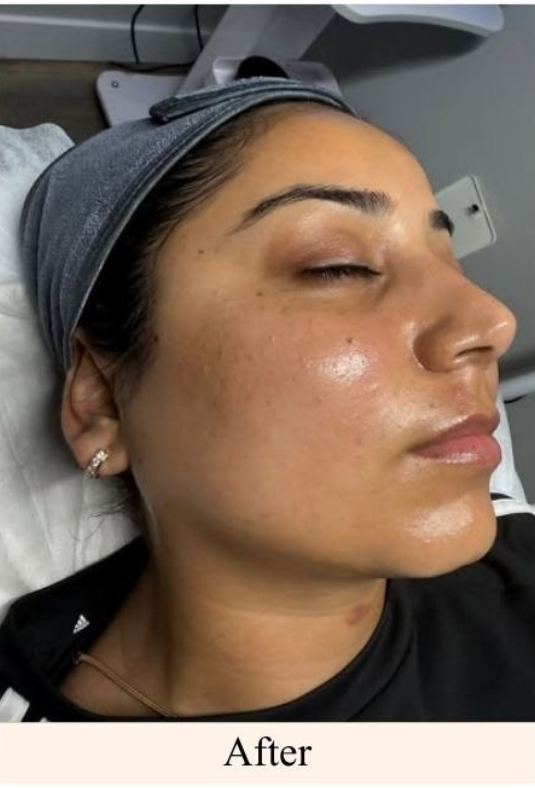
Individual results vary with skin type and how much surface build-up there was to begin with. This is a maintenance treatment — every three to six weeks is the usual rhythm.
Also at our Winnipeg clinic
Treatments that work well around this one
- Hydro Facial in Winnipeg — clears and hydrates, and the better starting point on a damaged barrier
- AFA Chemical Peel in Winnipeg — goes after tone and pigment, which a blade does not touch
- Anti-Aging Red Light Therapy in Winnipeg — works better on a freshly cleared surface
- Microneedling in Winnipeg — for scarring and firmness, which is a different problem entirely
- Dermaplaning brand-wide — how the treatment works across all our clinics