Dry skin is a common concern that affects people of all ages. It can show up as tightness, rough patches, itching, or even flaking. For some, it is only seasonal, appearing in winter or in dry climates, while others deal with it year-round. Dry skin is not just uncomfortable—it can also make the skin look dull and older. The good news is that with the right care, dry skin can be managed and transformed into a softer, healthier, and more hydrated complexion. This guide explains the causes, daily care habits, treatments, and professional options that bring lasting relief.
What Causes Dry Skin?
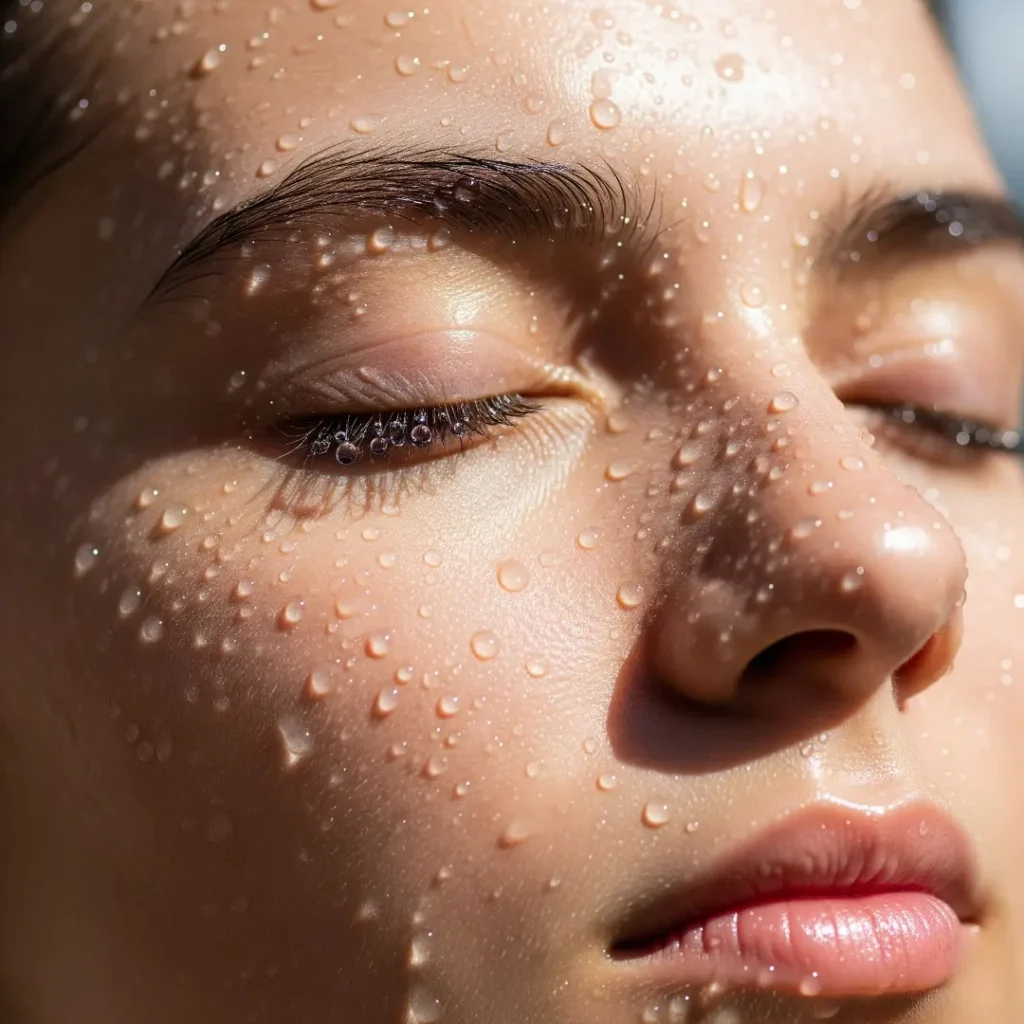
Dry skin happens when the outer layer of the skin, called the epidermis, does not have enough water or natural oils. Normally, the skin has a protective barrier that locks in moisture. When that barrier is damaged or weakened, water escapes more easily, leaving the skin dry.
There are many factors that lead to dry skin. Weather plays a big role, with cold air and low humidity stripping the skin of moisture. Long, hot showers can wash away natural oils, leaving the skin unprotected. Harsh soaps, detergents, or skincare products can damage the barrier. Some medical conditions, like eczema, psoriasis, or thyroid issues, make dryness worse. Age also matters, since older skin produces less oil. Finally, lifestyle habits such as not drinking enough water, smoking, or eating a poor diet can all contribute to dryness.
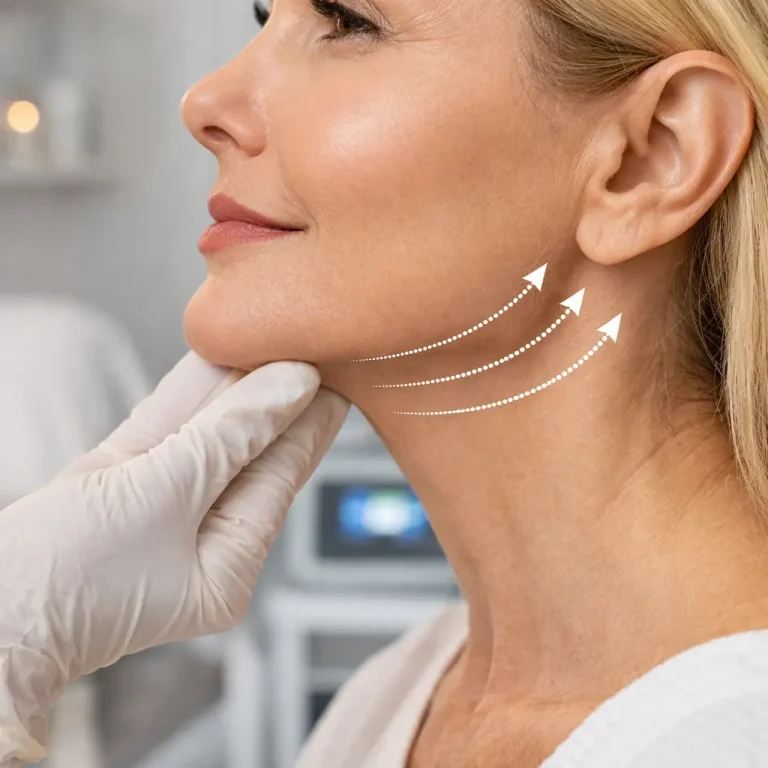
For personalized skin treatments, such as chemical peels or facial hydration, professional skincare options can help you manage dry skin more effectively.
Signs and Symptoms of Dry Skin
The most common signs include tightness after washing, rough or scaly texture, itching, and dullness. In more severe cases, skin may crack, peel, or even bleed. On the face, dry skin often looks patchy and highlights fine lines. On the body, it is common on hands, elbows, knees, and feet. Recognizing these symptoms early helps prevent discomfort and deeper skin issues.
Everyday Habits for Healthier Skin
Managing dry skin starts with daily habits that protect and restore the skin barrier. Short, lukewarm showers are better than long, hot ones. Gentle cleansers that are free of sulfates and fragrances prevent further dryness. Immediately after bathing, applying moisturizer helps trap water in the skin. Choosing moisturizers with ingredients like ceramides, glycerin, and shea butter strengthens the skin’s natural barrier.
Protecting skin from harsh weather is also important. In winter, using a humidifier adds moisture to the air. In summer, applying sunscreen daily prevents sun damage that worsens dryness. Wearing gloves while washing dishes or cleaning protects hands from harsh chemicals. Consider blue light therapy for an added skincare boost.
Drinking plenty of water and eating foods rich in healthy fats, like avocados, nuts, and fish, provide the body with hydration and nutrients needed for soft skin. Limiting alcohol and caffeine also helps, as they can dehydrate the skin.
Over-the-Counter Treatments
Many store products can bring relief from dry skin if used regularly. Thick creams and ointments are more effective than light lotions because they create a stronger barrier. Look for ingredients such as hyaluronic acid, which attracts water into the skin, or urea, which softens rough patches. Petroleum jelly is a simple yet powerful option that locks in moisture.
Moisturizers that include lactic acid or alpha hydroxy acids gently exfoliate while hydrating, making them useful for very dry or scaly areas. For the face, eye creams with added hydration can reduce dryness that causes fine lines. Consistency is key, as improvement usually comes after days or weeks of daily use.
In addition, opt for professional laser treatments to accelerate skin regeneration and relieve dryness.
Prescription Medicines
For people with severe or persistent dryness, dermatologists may recommend stronger treatments. Prescription creams with higher concentrations of urea, lactic acid, or corticosteroids can calm inflammation and repair the barrier. People with conditions like eczema may need medicated ointments that reduce itching and swelling. In rare cases, oral medicines are prescribed when dryness is linked to an internal health problem.
These treatments require a doctor’s supervision, as improper use can cause side effects. However, they are often necessary for those who find that regular moisturizers are not enough.
Professional Treatments
Dermatology and skincare clinics also offer treatments that improve hydration and repair skin. Hydrating facials with serums rich in hyaluronic acid and antioxidants can give the skin an instant boost. Chemical peels with mild ingredients remove dead cells that block moisture. Light therapy may reduce inflammation that comes with dry skin conditions. In advanced cases, dermatologists may recommend treatments tailored to the underlying cause, such as laser skin treatments, microneedling, or specific therapy for conditions like eczema or psoriasis.
Home Remedies and Natural Solutions
Some natural remedies can support dry skin care. Applying coconut oil or almond oil after bathing locks in moisture. Oatmeal baths soothe itching and irritation. Aloe vera gel cools and hydrates, especially for sun-exposed skin. Honey, which has natural healing properties, can be used as a gentle mask to soften rough patches. While these remedies may not replace medical treatments, they are safe for most people and can be combined with daily skincare.
Myths About Dry Skin
Many myths surround dry skin care. One common myth is that drinking water alone will fix dryness. While hydration is important, it must be combined with moisturizers and barrier care. Another myth is that oily skin cannot be dry. In reality, skin can produce excess oil but still lack water, creating both shine and flakes at the same time. Some people believe that scrubbing harder removes dryness, but harsh scrubs actually damage the barrier and make dryness worse. Finally, some think only winter causes dry skin. In truth, air conditioning, sun exposure, and poor skincare can cause dryness year-round.
When to See a Doctor
Most cases of dry skin can be managed with good skincare and healthy habits. However, if skin is very itchy, cracked, bleeding, or not improving after weeks of care, it may be time to see a dermatologist. Professional help is also important when dryness is linked to medical conditions like eczema or psoriasis. A doctor can provide stronger treatments and prevent complications.
Conclusion
Dry skin may be common, but it does not have to control how you look or feel. By understanding the causes and using the right treatments, anyone can restore their skin’s health. From daily habits like gentle cleansing and moisturizing to advanced medical care, there are many options to keep skin soft and hydrated. The key is patience and consistency. With the right approach, a smooth, glowing, and healthy complexion is possible year-round.
Ready for a Dry Skin Solution?
Say goodbye to flakes and tightness. Our experts at You Glow Aesthetics will help you understand the root causes of your dry skin and create a personalized plan to restore a healthy, hydrated, and glowing complexion.
Book your consultation today and find the relief your skin craves.