About the treatment
What gets destroyed, and what is left alone
The target is the base of the follicle — the small cluster of cells that builds a new hair once the old one is shed. The route to it is the hair itself. Melanin in the shaft absorbs the light, turns it into heat, and conducts that heat downwards to the structure we want to disable.
Everything else about the treatment follows from that one fact. The hair has to be dark enough to absorb, still attached to the base, and sitting in skin pale enough by comparison that the surrounding tissue is not competing for the same energy.
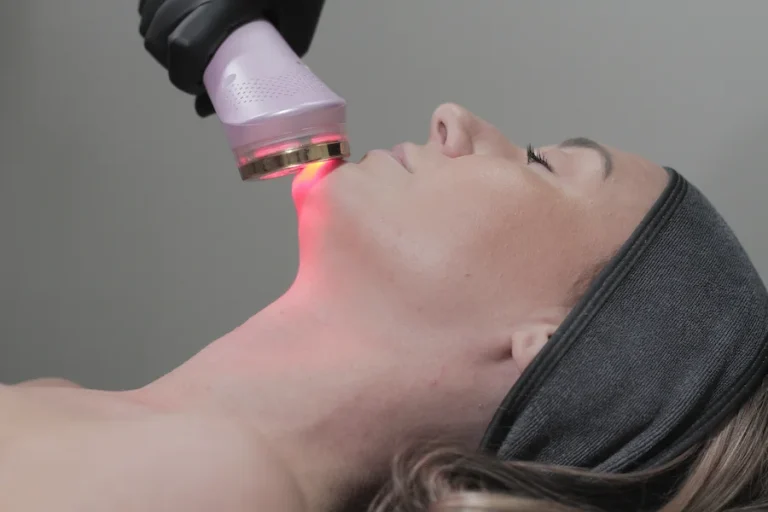
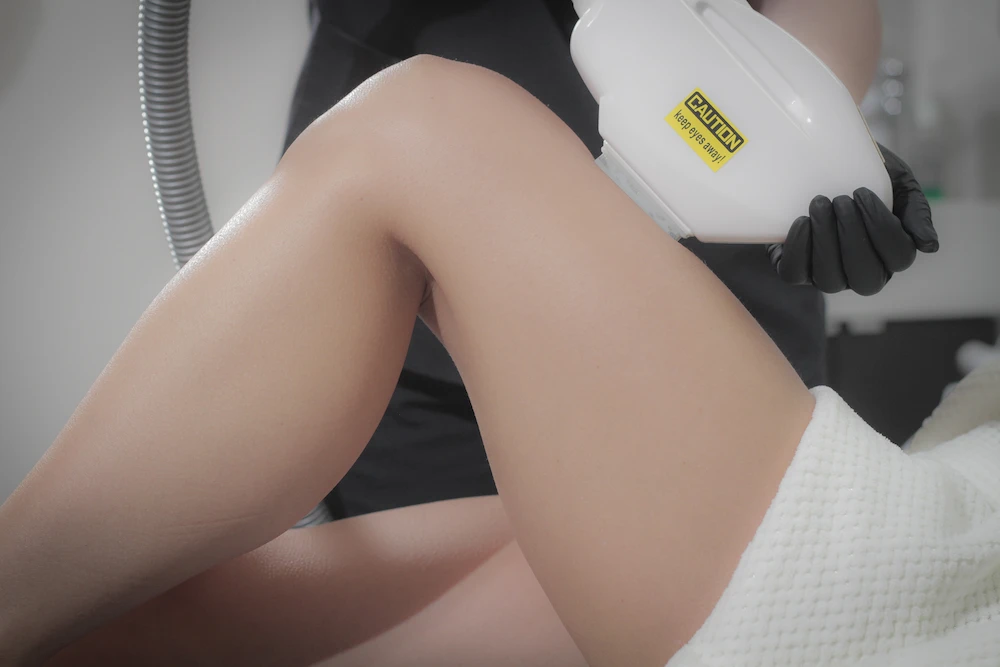
In practice it is a quick, undramatic appointment. Cool gel, a handpiece passed over the area, a snap of heat with each pulse, and you carry on with your day. Our clients at the Wynford Drive clinic in North York regularly fit an underarm or upper lip session into a break between meetings.
Suitability
Your hair colour and your skin tone both have a vote
Toronto is one of the most mixed cities on the continent and we treat every complexion here. That is exactly why this section is not a formality — the answer genuinely differs from person to person.
Dark hair is the requirement
Brown and black hair holds the pigment the light needs. Blonde, red, grey and white hair does not, and no machine setting invents it. We would rather tell you that in a ten-minute consultation than take a booking for a course that cannot work.
Deeper skin tones need different settings
Richer complexions carry melanin in the skin as well as in the hair, so the energy has to be delivered in a way that reaches the follicle without over-heating the surrounding tissue. That means a patch test first, a conservative start, and reviewing how you responded before we go further.
A patch test is not a formality
We treat a small area and look at it again before committing to a full session, particularly on Fitzpatrick IV to VI skin. The risk being managed is a pigment change that outlasts the hair, and it is entirely avoidable by going slowly at the start.
Hormones set the ceiling
PCOS, thyroid conditions, pregnancy and menopause can all keep waking dormant follicles. Laser still helps considerably; it just means top-ups rather than a finish line, and anyone promising otherwise is not being straight with you.
The course
What a course feels like from the inside
Only follicles currently growing a hair can be affected, and at any moment that is a minority of them. Six to eight sessions, spaced weeks apart, is how you catch the rest as they wake up. Here is how that actually plays out.
Sessions one and two
Treated hairs push out over a week or two and fall away. It looks like regrowth and it is not. Meanwhile the follicles that were dormant on the day carry on as though nothing happened, so the area does not look dramatically different yet.
Sessions three to five
This is where people become believers. Regrowth comes back thinner, slower and patchier, the gap between shaves stretches out, and the ingrown hairs that drove you here in the first place largely stop appearing.
Sessions six and beyond
What is left is scattered and fine. The remaining appointments are about picking off stragglers rather than clearing a field, and most people then move to an occasional top-up once or twice a year.
Indications
What is it good for?
Unwanted hair, and the ingrown bumps, irritation and dark marks that years of shaving and waxing leave behind.
Faces, underarms, bikini, legs, arms, backs and chests are all routine here; the area immediately around the eye is the one place we do not treat. Fine colourless facial down is a separate problem and belongs to dermaplaning. Everything available in north Toronto is on our Toronto clinic page.
Why here
Why most people here start in October
A course occupies the better part of a year, so the start date matters. Four things about a Toronto calendar are worth building it around.
Count backwards from the first warm week
If the goal is to be finished by the time the patios fill up in May, start in the autumn. Booking your first session in April means running the hardest half of the course through the sunniest months.
The sun rule starts in March, not June
Treated skin has to be its own natural colour, which means two weeks with no sun on the area before each appointment. Spring sun on a lakeside path or a west-facing patio counts, and clients are caught out by it every year.
A winter holiday is a real interruption
A week somewhere hot in February is a Toronto institution and it does affect this. Tell us when you book the trip rather than when you arrive with a tan — we will move the appointment rather than treat coloured skin.
Humidity is why the underarms come first
Shaving irritation, folliculitis and heat rash are all worse in a humid summer than a dry one. Underarms and bikini are the areas our Toronto clients treat first, and the ones where the change to daily life is largest.
Getting ready
Pre & post treatment
Shave it, keep it out of the sun, and never pull the root out between appointments. Everything else is detail.
Before each appointment
- Shave the night before. Hair standing above the skin absorbs energy that should be travelling downwards, and it can singe.
- Four weeks clear of waxing, threading, plucking and epilating. All four take out the root, and the root is the target.
- Fourteen days with no sun, sunbed or self-tanner on the area being treated.
- Turn up with clean, bare skin — no deodorant, no body lotion, no oil, no make-up over the zone.
- Tell us about new medication. Several common ones, including some antibiotics, make skin react to light.
For a few days after
- Pink skin and small bumps at each follicle for a few hours. That reaction is the follicle responding, not a problem.
- Nothing hot for 48 hours: no sauna, no steam, no hot yoga, no long hot shower.
- Hairs working their way out over a fortnight are shedding. Let them. A gentle exfoliating cloth from day five helps them along.
- Shave if you need to, but nothing that pulls until your course is over.
- Sunscreen on the area for two weeks, and keep it covered in strong sun.
Being straight with you
Three things worth knowing before the first session
It is reduction, not erasure
A finished course usually leaves most of the hair gone and what remains fine and slow. That is a genuine change to how you spend your mornings. It is not the same as the word permanent, and we are careful about which one we use.
Some areas sting and some do not
An upper lip or a bikini line has more nerve endings and thicker hair, and you will feel it. Legs and arms barely register. The cooling helps and the pulses are brief, but we will describe it accurately rather than call it relaxing.
Missing appointments costs you sessions
The spacing tracks the growth cycle. Leave a four-month gap and the follicles you were chasing have gone round again, and part of the previous session is wasted. Consistency is worth more here than the machine is.
Also on Wynford Drive
Treatments that work well around this one
- Dermaplaning in Toronto — for the fine colourless down a laser cannot see
- Tattoo Removal in Toronto — the same principle, aimed at ink instead of hair
- Hydro Facial in Toronto — for congestion on a face being treated
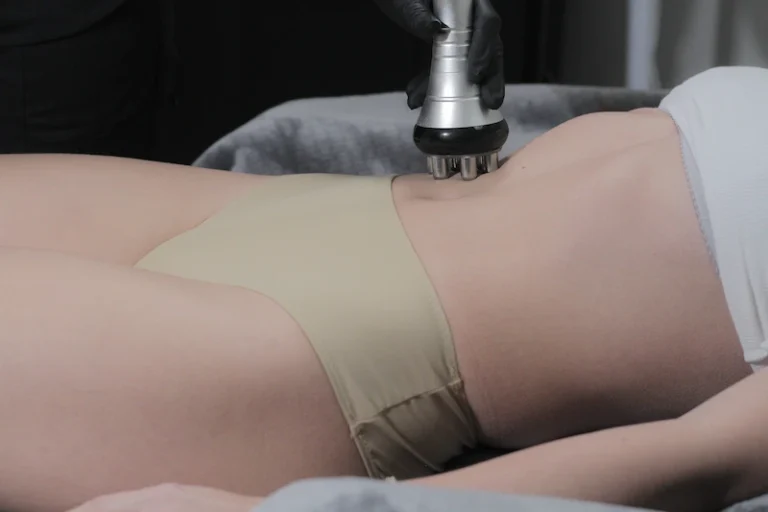
- Laser Lipo Cavitation in Toronto — body contouring, often run alongside a leg course
- Laser hair removal brand-wide — how the treatment works across all our clinics