If every shave or wax leaves you with tender red bumps, trapped hairs, or dark marks that linger for months, you are dealing with one of the most common side effects of temporary hair removal. It is frustrating, and it is not a sign that you are doing something wrong.
At You Glow Aesthetics, laser hair removal is designed to target hair at the follicle so the hair that keeps curling back into your skin becomes finer, lighter, and sparser over a course of sessions. Results vary, and your plan starts with a free consultation to talk through your skin and hair goals.
What Are Ingrown Hairs and Razor Bumps?
Ingrown hairs and razor bumps are small, inflamed bumps that form when a freshly cut hair curls back into the skin instead of growing out. Your skin treats the trapped hair like a splinter and reacts with redness, swelling, and sometimes a pimple-like tip. They are most common where hair is coarse or curly and where you shave often, including the bikini line, underarms, legs, neck, face, and back.
Why Shaving and Waxing Can Cause Them
According to the American Academy of Dermatology (AAD), shaving cuts hairs short, allowing coarse, curly hairs to curve back into the skin. The skin then reacts to these trapped hairs, causing inflamed bumps. Using a dull blade, pulling the skin taut, or plucking a hair from inside a bump can make irritation worse.
Waxing pulls hair out from the root, but a hair that snaps beneath the surface can still grow back inward. Thin skin that clothing rubs against, such as the bikini area, tends to react most. For more detail on managing irritation in sensitive zones, read our guide on shaving rash and bikini laser hair removal.
Benefits of Laser Hair Removal for Ingrown Hairs
Fewer hairs to curl back
Over a series of treatments, regrowing hair becomes noticeably finer and lighter. Softer, sparser hair has far less chance of turning inward, meaning bumps appear much less frequently.
Less reliance on the razor
Fewer shaves mean less daily friction and skin irritation, along with shorter morning routines.
A chance for skin to settle
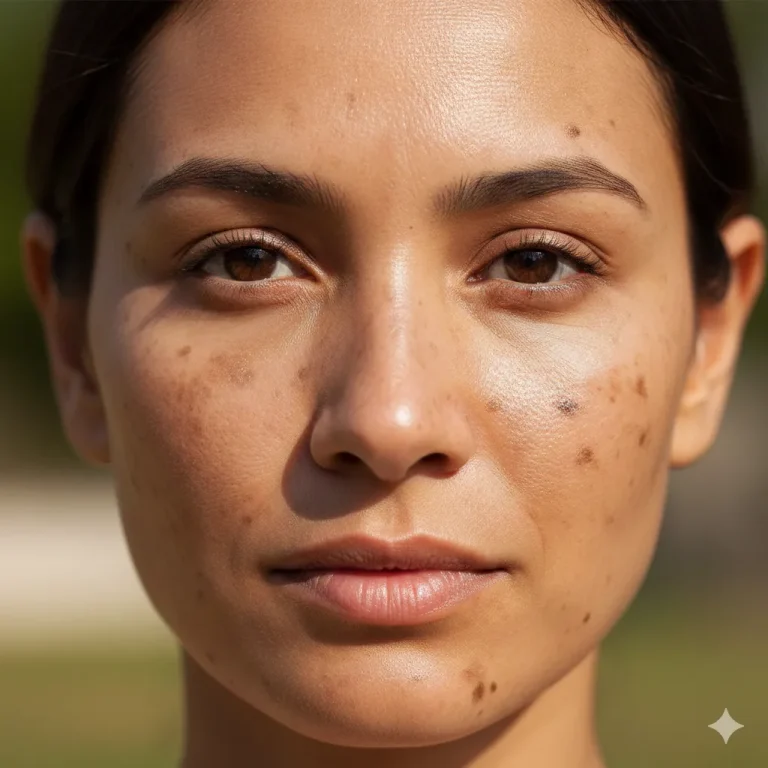
Ingrown hairs and the dark marks they leave behind are triggered by repeated shaving and waxing rather than the hair itself. When you remove the source of constant irritation, your skin finally has a chance to calm down and even out. (Note: Existing dark marks may still require targeted skincare or a separate pigment treatment.)
How Does Laser Hair Removal Work?
Laser light is absorbed by melanin, the pigment inside the hair shaft. That light energy converts to heat, travels down the hair to the follicle, and disables the structure that produces hair, while leaving surrounding skin, which holds far less pigment, unharmed.
Because the laser only affects hair that is actively growing, and only a portion of your hair is in that phase at any given time, a full series of sessions is required. Most clients need 6 to 8 sessions, spaced 4 to 8 weeks apart, typically resulting in roughly 80–90% less hair after completing their series. Individual results vary.
What to Expect During Your Appointment
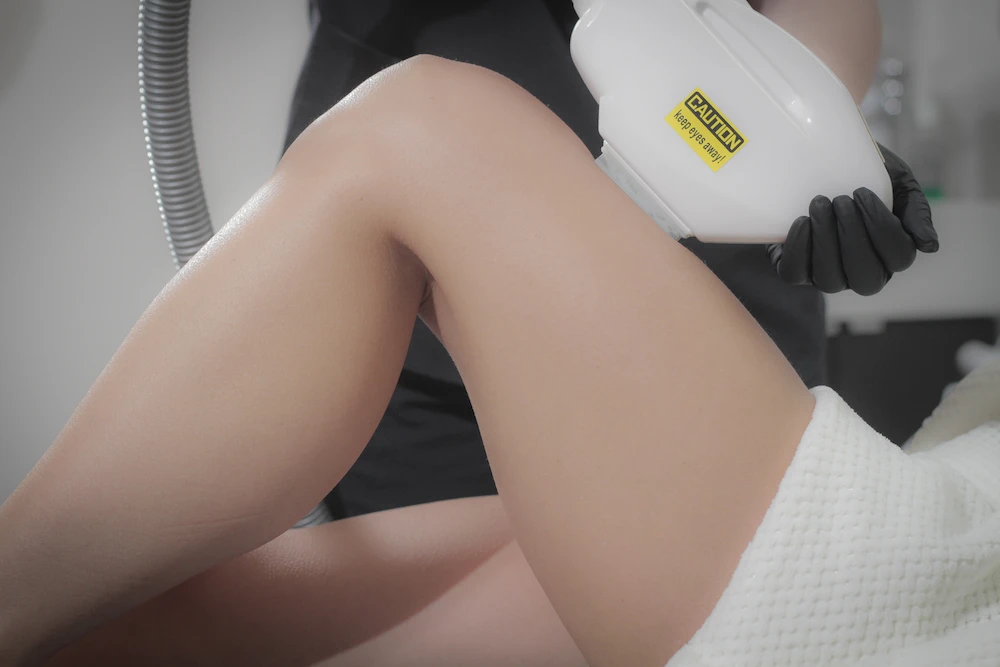
Your first visit begins with a consultation and a small patch test to see how your skin responds. During treatment, you will wear protective eyewear, a cool gel is applied, and the handpiece moves smoothly across the skin. Each pulse feels like a quick snap of heat; sensitive areas like the bikini line may sting slightly more, while legs and arms are usually milder.
Appointment lengths range from a few minutes for a small area (like the upper lip or underarms) to around 30–60 minutes for a full back.
Before each session
- Shave the treatment area 12–24 hours beforehand.
- Do not wax, thread, or pluck for four weeks prior.
- Avoid direct sun exposure, tanning beds, and self-tanner for two weeks.
- Arrive with clean, bare skin and pause retinoids or exfoliating acids for 3–5 days.
- Let your provider know about any new medications, as some increase photosensitivity.
After each session
- Mild redness, warmth, and small bumps around the follicles are normal and temporary.
- Skip hot showers, saunas, and strenuous workouts for 24–48 hours.
- Apply broad-spectrum sunscreen daily on exposed areas for two weeks.
- Avoid harsh scrubs or physical exfoliants for 48 hours.
What to Do While You Wait for Results
Between laser appointments, shaving is the only hair removal method allowed. Never wax or pluck, as the laser needs the hair root intact to work effectively. Following the American Academy of Dermatology’s razor bump prevention tips, shave when hair is soft, such as at the end of a warm shower, using a moisturizing shaving cream, and replace disposable blades after 5 to 7 shaves.
When Bumps Need a Doctor
Laser hair removal is a cosmetic treatment, not a medical one. Consult a doctor or dermatologist if your bumps are severely painful, swollen, filled with pus, continue worsening after changing your shaving habits, or leave scars. The AAD notes that untreated razor bumps can occasionally lead to lasting skin changes such as deep grooves or raised keloid scars.
Infected or heavily inflamed bumps should always be assessed by a medical professional first, and your esthetician will let you know if an area needs time to settle before starting laser sessions.
Who May Be a Good Candidate?
Because the laser targets melanin, dark hair responds best; blonde, red, grey, and white hairs lack sufficient pigment for the laser to target effectively. A wide range of skin tones can be treated safely using a patch test and customized device settings.
Treated skin should be at its natural baseline colour, so recent tanning may require rescheduling. Hormonal factors, such as PCOS, thyroid conditions, pregnancy, and menopause, can stimulate dormant follicles, meaning occasional maintenance sessions may be helpful. If you are treating the upper lip, let your provider know if you have a history of cold sores. (Note: The area immediately around the eyes is not treated.)
Areas People Commonly Treat
Popular areas for clients dealing with ingrown hairs include the bikini line, underarms, legs, face and neck, back, chest, and buttocks, where friction from sitting often leads to painful broken or trapped hairs.
- If your primary concern is dark dots on the legs rather than raised bumps, read our post on strawberry legs and full leg laser hair removal.
- For a broader look at long-term reduction options, explore our guide to unwanted hair concerns.
Results and Recovery
There is no downtime required. Treated hairs gradually push out and shed over the following 1 to 3 weeks; this is normal shedding, not regrowth. Mild redness or perifollicular swelling typically fades within a few hours, and you can return to normal daily activities right away.
Laser hair removal permanently reduces hair density rather than erasing every single strand. Hormones, hair colour, skin tone, treatment area, and session consistency all influence your final outcome. Staying on your recommended schedule ensures you do not lose momentum between growth cycles.
Why Choose You Glow Aesthetics?
- Complimentary Consultation: A free 30-minute assessment before you commit to any treatment plan.
- Comprehensive Treatment Areas: Safe, effective hair reduction for the face and body.
- Personalized Protocols: Patch testing and laser settings tailored specifically to your hair type and skin tone.
- Convenient Canadian Clinics: Seven locations across Canada with clear pre- and post-care guidance at every visit.
Frequently Asked Questions
Can laser hair removal stop ingrown hairs?
It can significantly reduce them. Laser energy disables the hair follicle, and any hair that does regrow is typically finer and lighter, making it far less likely to curl back into the skin. While results vary by hair type, skin tone, and consistency, most clients experience dramatic relief from recurring bumps.
Why do I get razor bumps even with a new razor?
Shaving slices the hair at the skin’s surface, and coarse or curly hair can naturally curve back inward regardless of how sharp the blade is. Pull-shaving, dry shaving, and friction from tight clothing also contribute. If bumps persist even after adjusting your shaving routine, consult a dermatologist.
Can I shave between laser sessions?
Yes. Shaving is the only hair removal method permitted between sessions. Do not wax, thread, tweeze, or pluck, as these remove the root the laser needs to target. Shave 12–24 hours before your appointment, and wait at least 48 hours after a session before shaving sensitive areas like the underarms.
How many sessions will I need?
Most clients need 6 to 8 sessions spaced 4 to 8 weeks apart, since the laser only targets hairs in their active growth phase. Your exact plan depends on the treatment area, hair density, skin tone, and hormonal factors, which we will evaluate during your free consultation.
Will laser hair removal fade the dark marks left by ingrown hairs?
Laser hair removal targets the hair follicle, not surface hyperpigmentation. However, by preventing new ingrown hairs from forming, it stops new dark marks from developing so your skin can recover. Existing marks can take several months to fade naturally or may benefit from targeted brightening treatments, which we can discuss at your consultation.
Does it work on all hair and skin colours?
A wide range of skin tones can be treated safely using customized settings and an initial patch test. However, because the laser relies on melanin in the hair shaft, dark hair responds best, while blonde, red, grey, and white hair will not respond to treatment.
Book Your Laser Hair Removal Consultation
You do not have to keep managing painful bumps every time you shave. During a free 30-minute consultation, we will assess your hair and skin, confirm whether you are a good candidate, and map out a realistic treatment plan.
To get started, contact us or visit one of our clinics offering laser hair removal: