About the treatment
Laser resurfacing that works on water, not on pigment
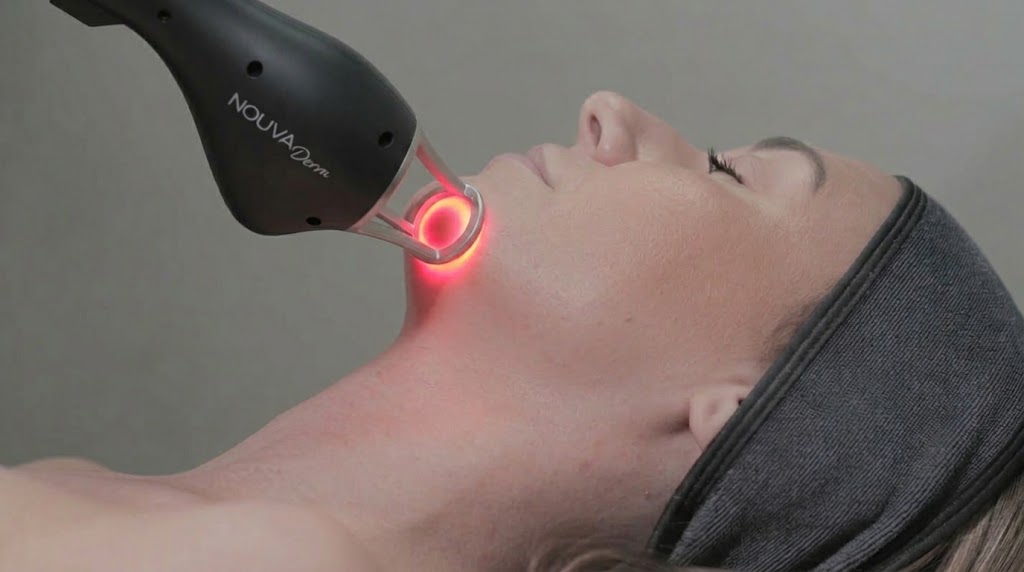
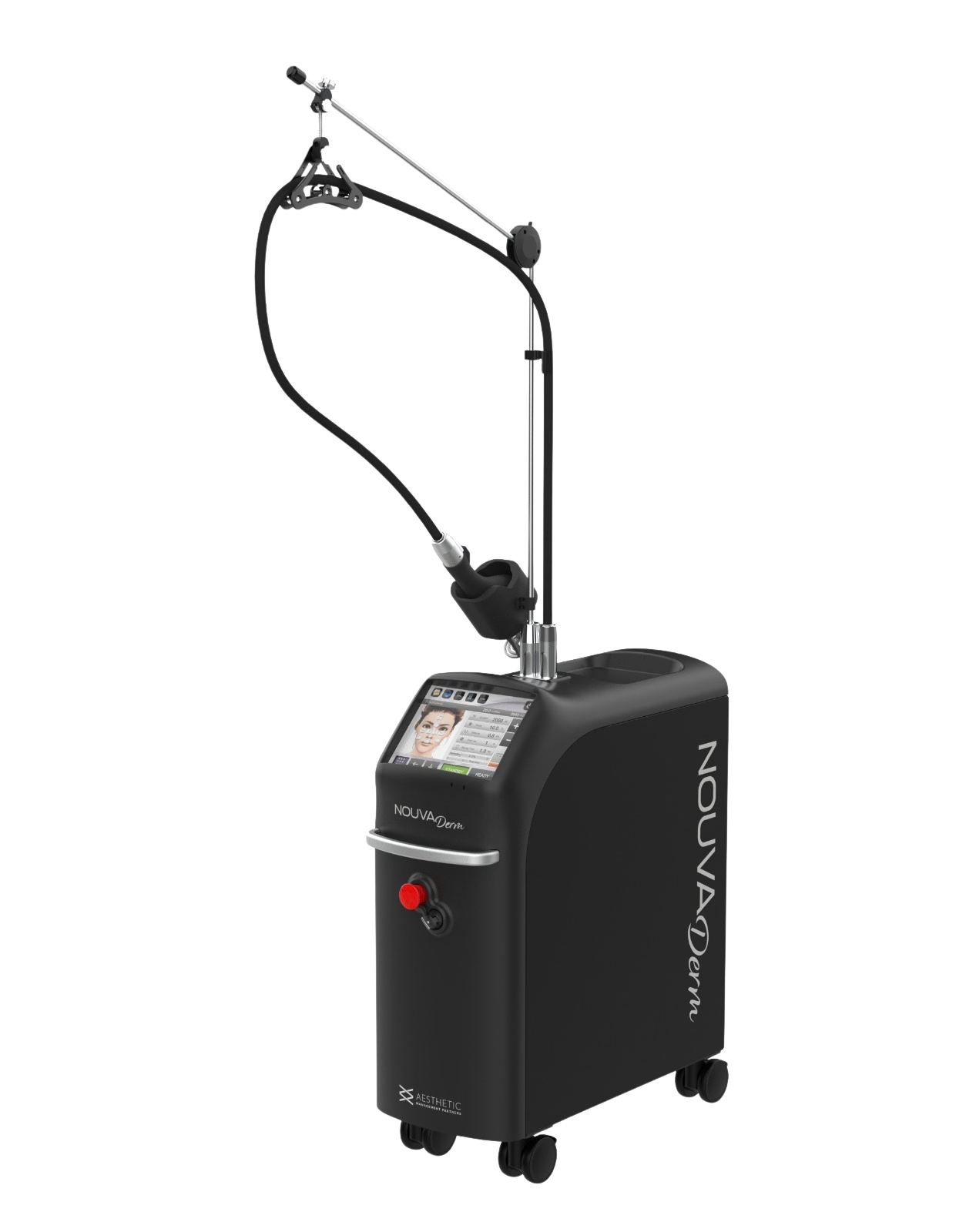
Laser skin resurfacing in Vancouver at You Glow Aesthetics is performed with NOUVADerm, a fractional 1927 nm thulium laser. It is used for melasma, pigmentation, sun damage, fine lines, acne scars, uneven texture, stretch marks and overall skin quality, and the intensity is chosen per client rather than set once for everybody.
Most lasers aimed at discolouration chase the pigment itself. A 1927 nm thulium wavelength does something different: it is absorbed by water, which sits throughout the superficial layers of the skin where most visible pigmentation and texture concerns actually live. The energy is delivered fractionally, in thousands of microscopic columns, so treated and untreated tissue sit side by side and the untreated skin supports the recovery.
What that buys you is range. The same handpiece can be set for a light refresh with a day or two of flaking, or for deep fractional resurfacing with a week of visible peeling, and because the target is water rather than melanin it can be set safely across all skin tones. At our West Broadway clinic in Kitsilano the level is decided at the consultation, after your skin is assessed, not from a price list.
The NOUVADerm device is licensed by Health Canada. Ask our team at your consultation if you would like the licensing details for the system used in your treatment.
Indications
What it is good for
Six concerns account for almost every NOUVADerm plan we build. Each one is treated at a different depth and intensity.
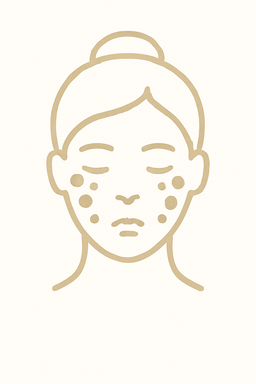
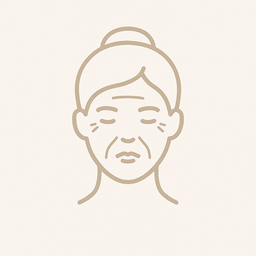
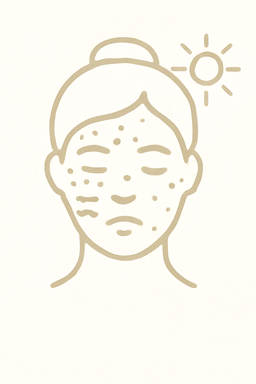
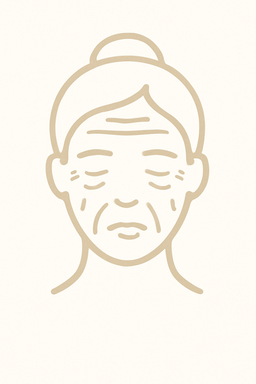
Melasma and pigmentation
The strongest case for this wavelength. Melasma is a chronic, recurring condition rather than a mark to be erased, so we treat it as a management plan: a course of resurfacing, strict daily sun protection, the right home care, and maintenance. Anyone offering to clear melasma permanently in one session is describing something that does not happen.
Fine lines, texture and skin quality
Crepey-looking skin, rough texture, visible pores and general dullness are all the same underlying problem — sun-damaged, disorganised tissue near the surface. Fractional resurfacing renews it and the skin remodels over the following months.
The eye area
Skin around the eyes is thinner and shows age earlier, and with carefully reduced settings and proper eye protection it can be treated. The area and the intensity are selected at the consultation. This is not a region where a standard setting is appropriate.
Scars and stretch marks
Controlled microscopic treatment zones prompt renewal and remodelling, which improves the look and texture of selected acne scars, surgical and traumatic scars, and stretch marks. How much depends on the type, depth, age and site of the scar, and we will tell you honestly what to expect before you start.
Not limited to the face. The neck, chest, arms, hands, shoulders and abdomen can all be treated for pigmentation, scarring, stretch marks and texture. Everything available in Kitsilano is on our Vancouver clinic page.
The technology
Why 1927 nanometres is the number that matters
If you have researched resurfacing you have probably met two brand names before you met this one. It is worth knowing where they sit.
1927 nm thulium is a wavelength class, not a single machine. It is the same class used by Fraxel Dual and by Sciton Moxi, the two systems most people have read about, and it is the wavelength behind the published protocols for melasma and pigmentation. NOUVADerm is the system we chose to deliver it with at our Vancouver clinic.
The practical difference between devices in this class is rarely the physics. It is how finely the operator can control depth, density and energy, and whether the clinic uses that control or defaults to one setting for every client. We use four, and the one you get is argued out at the consultation.
Absorbed by water
The wavelength targets water in the tissue rather than melanin, which is what makes it appropriate across all skin types and Fitzpatrick tones when the settings are chosen properly.
Fractional delivery
Energy goes in as thousands of microscopic columns with untreated skin between them. That untreated tissue is what supports recovery and keeps downtime to days rather than weeks.
Renewal, then remodelling
The visible change in tone and clarity comes first. Collagen remodelling and the texture improvement that follows it keep developing for roughly three to six months.
Choosing your level
Four levels, so the downtime is your decision
This is not a one-setting laser, and the honest trade-off is simple: the more correction you want, the more days you spend looking like you had something done.
NOUVAGlo MICRO — gentle renewal
The lightest option. For maintenance, brightness, early signs of aging and mild pigmentation, with minimal interruption to your week. Approximate downtime one to two days.
NOUVAGlo LIGHT — visible refresh
A step up, and the usual starting point for pigmentation, sun damage, fine lines, uneven texture, mild scarring and general rejuvenation. Approximate downtime two to four days.
NOUVADerm MODERATE — advanced renewal
Stronger fractional resurfacing for more visible pigmentation, structured melasma plans, acne scars, wrinkles, textural irregularities and advanced sun damage. Approximate downtime five to seven days.
NOUVADerm MAX — intensive resurfacing
The most intensive protocol, for suitable candidates seeking advanced correction of pigmentation, scarring, texture, sun damage and visible aging. Approximate downtime seven to ten days.
Downtime varies with intensity and with how your own skin responds. Expect some combination of redness, warmth, swelling, dryness, bronzing, roughness, flaking or fine micro-scabbing while the skin renews. Treatment itself takes roughly 15 to 30 minutes depending on the area and the level.
Going further
Add-ons and combination protocols
Freshly resurfaced skin is unusually receptive, which is why two things are worth considering at the same appointment.
DRIVE Exosomes
An optional premium finishing step applied after resurfacing. Exosomes are microscopic extracellular messengers that carry signalling molecules between cells; DRIVE is a plant-based biotherapy that uses plant-derived secretory factors rather than human or animal material, delivering exosome-like particles, growth factors, peptides and cytokines topically to support barrier recovery, comfort, conditioning and overall skin quality. Optional, never required.
With microneedling
Two different mechanisms of renewal in one appointment. Worth stacking for texture, acne scars, fine lines and collagen stimulation, where a single mechanism tends to plateau.
With PRP or PRF
Fractional resurfacing plus regenerative support from your own blood plasma. Particularly useful for skin quality, scarring, and delicate regions such as the under-eye area.
With IPL
IPL targets visible pigment and redness directly while resurfacing renews texture and radiance. For sun damage and uneven tone with a redness component, the pair covers what neither covers alone.
Combinations are selected according to your skin, your concern, the treatment level and the result you are after. Not every pairing suits every plan, and we will not stack treatments to pad an appointment.
Getting ready
Pre & post treatment
The first week is where results are won or lost. Protect the skin while it is renewing and the outcome looks after itself.
Before your appointment
- Five to seven days off retinoids, acids and strong exfoliants.
- Two weeks with no sunburn and no fresh tan on the area to be treated.
- Roughly two weeks after Botox, filler or any other injectable — tell us if you have had one so the timing can be planned.
- Tell us about cold sores, any history of pigmentation after inflammation, and any photosensitising medication.
- Arrive bare-faced and allow extra time for numbing where it is being used.
The days after
- Redness, warmth and swelling first, then dryness, bronzing, roughness and flaking as the skin sheds.
- Let the shedding detach on its own. Picking at micro-scabbing is the one reliable way to cause a mark.
- Make-up once the surface has closed, and then only clean, gentle products with no friction.
- No sauna, steam, swimming pool or hot tub for about two weeks — heat and prolonged water exposure both raise the risk of post-inflammatory pigmentation.
- Daily sunscreen, without exceptions, for the whole course and afterwards. This is not optional with a pigmentation plan.
Results
When you will actually see it
Visible improvement can begin after a single treatment. The result worth judging arrives considerably later.
The first week
Once the shedding finishes, most clients see brighter tone, smoother texture and better clarity. Pigment often darkens before it lifts, which is expected and not a bad sign.
One to three sessions
This is where cumulative change shows. Most plans run to roughly three to five treatments spaced about four to six weeks apart, set by the area, the concern and how your skin responds.
Three to six months
Collagen remodelling and the texture improvement that follows keep developing well past the last appointment. Take a photograph before the first session.
Resurfacing improves pigmentation, texture and visible damage that already exists. It does not stop aging and it does not protect you from future sun exposure, so maintenance treatments, consistent skincare and daily sun protection are what hold the result. Outcomes vary with the concern, the level treated, the number of sessions completed and how carefully the skin is protected in between.
Also on West Broadway
Treatments that work well around this one
- NOUVADerm Hair Restoration in Vancouver — the same technology applied to the scalp
- Microneedling in Vancouver — stacks with resurfacing for scarring and texture
- IPL in Vancouver — for the pigment and redness that sit alongside texture
- HydroFacial in Vancouver — clears congestion before a course begins
- RF Facial in Vancouver — firmness alongside the resurfacing work
Questions
Laser skin resurfacing in Vancouver — your questions
The nine we are asked most often at the West Broadway clinic, answered the way we answer them in the room.
Is it safe for all skin types and skin tones?
Yes, with proper assessment and settings. Because 1927 nm thulium is absorbed by water rather than by melanin, it can be customised across Fitzpatrick types rather than being restricted to lighter skin the way pigment-targeting lasers often are. Every client is assessed first so the depth, density and energy are chosen for their skin.
Is there downtime, and how much?
Yes, and it is real. A light protocol is roughly one to two days of social downtime. A strong resurfacing treatment is roughly seven to ten days. That range is the whole reason we offer four levels — you choose how much correction you want against how many days you are prepared to spend visibly healing.
Can it treat melasma?
Yes, and this wavelength is used in professional melasma protocols. But melasma recurs, so we treat it as long-term management rather than a one-time correction: a course, daily sun protection without exceptions, the right home care, and maintenance. Clearing it permanently is not something any device does.
Can it be used around the eyes?
Yes, in appropriately selected eye-area protocols, with reduced settings and proper eye protection in place. The area treated and the intensity used are chosen at consultation, because the skin there is thinner and less forgiving than the rest of the face.
Can it be used on the body?
Yes. Neck, chest and décolletage, arms, hands, shoulders, abdomen and other suitable areas, for pigmentation, scarring, stretch marks, texture and sun damage. The neck and chest are the two people most often forget and most often regret forgetting.
When can I wear make-up again?
Once the micro-scabbing or surface shedding has detached on its own and the skin barrier has recovered. If you genuinely need cover before then, use clean, gentle products and avoid any friction — rubbing at skin that is still closing is how a good treatment turns into a mark.
Sauna, swimming pool or hot tub?
Avoid all three for about two weeks unless we tell you otherwise. Heat, prolonged water exposure and anything that disrupts healing skin all raise the risk of post-inflammatory pigmentation, which is the one complication worth going out of your way to avoid on a pigmentation plan.
How long after Botox or filler?
Allow roughly two weeks. If you have had Botox, filler or any other injectable recently, tell us at the consultation so the sequence can be planned properly rather than discovered on the day.
Are the results permanent?
No, and nobody should tell you otherwise. Resurfacing improves the pigmentation, texture and damage that exist now. It does not stop you aging and it does not protect you from future sun exposure. Maintenance treatments, consistent skincare and daily sun protection are what keep the result.