Understanding Skin Elasticity
Skin elasticity refers to the skin’s remarkable ability to stretch and then return to its original shape without damage. This vital property is essential for maintaining a youthful, firm, and smooth complexion. The skin’s elasticity depends largely on the presence of collagen and elastin fibers within the dermis, which provide structural support and flexibility. Collagen acts as the skin’s scaffolding, giving it strength and firmness, while elastin allows the skin to bounce back after stretching or compression. Together, these proteins maintain the skin’s resilience and suppleness.
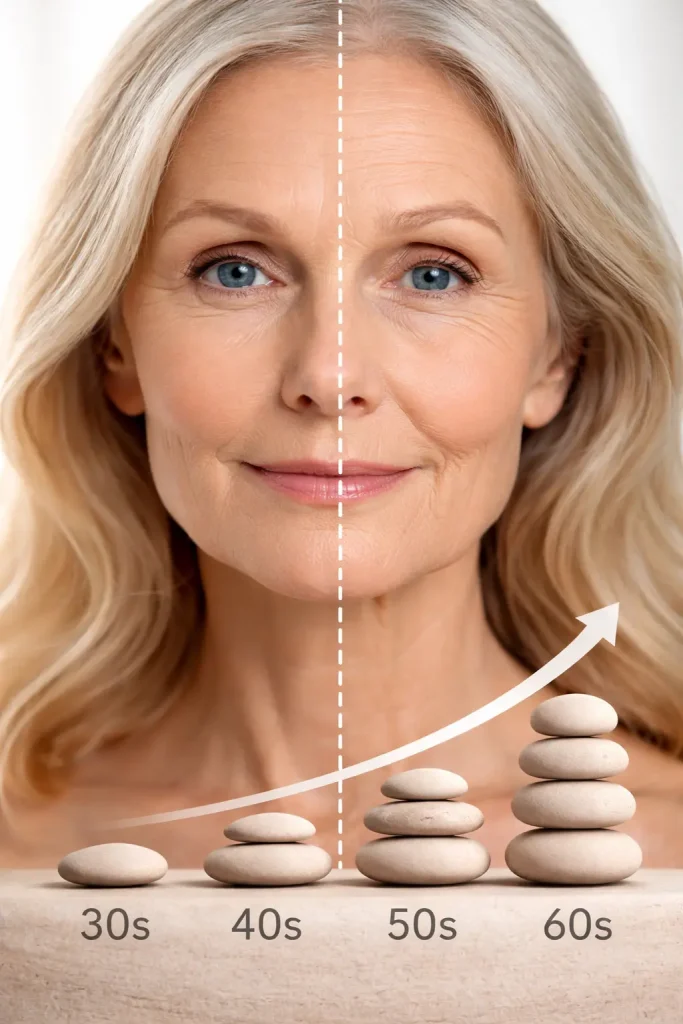
As we age, the production of collagen and elastin naturally declines, and the existing fibers begin to degrade. This process leads to a gradual loss of skin resilience and the appearance of sagging, fine lines, and wrinkles. Environmental factors such as prolonged sun exposure, pollution, and lifestyle habits like smoking and poor nutrition can accelerate this degradation. Genetics also play a significant role in determining how quickly skin elasticity diminishes. While many individuals begin to notice these changes in their 30s and 40s, the timing and severity vary widely depending on individual factors.
Why Skin Loses Elasticity
The primary cause of reduced skin elasticity is the breakdown and decreased production of collagen and elastin, the proteins responsible for the skin’s strength and stretchiness. Collagen provides the skin with firmness and structural integrity, while elastin allows it to return to its original shape after stretching. Over time, the body’s ability to regenerate these proteins diminishes, leading to thinner, less resilient skin.
Ultraviolet (UV) radiation from sun exposure is one of the most significant contributors to collagen degradation. UV rays penetrate the skin and damage the DNA of skin cells, triggering an inflammatory response that accelerates the breakdown of collagen and elastin fibers. This process, known as photoaging, results in premature wrinkles, sagging, and uneven skin tone.
Lifestyle factors also play a crucial role. Smoking introduces harmful free radicals that damage collagen and elastin, while poor nutrition deprives the skin of essential nutrients needed for repair and regeneration. Dehydration reduces skin moisture, making it less flexible and more prone to damage. Chronic stress and inadequate sleep impair the body’s ability to repair skin tissue effectively. Hormonal changes, particularly during menopause, lead to a decline in estrogen levels, which are vital for maintaining skin thickness and elasticity.
Recognizing the Signs of Reduced Elasticity
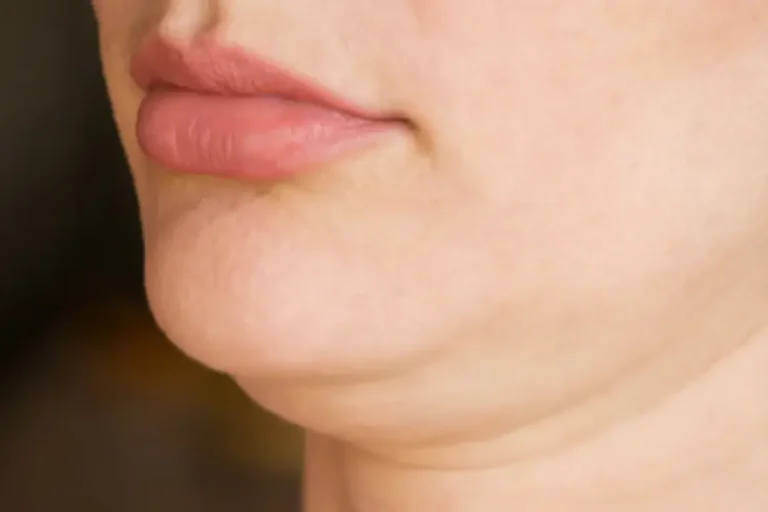
The loss of skin elasticity manifests through several visible and tactile signs. Clients often notice their skin becoming thinner, less firm, and more fragile. Common areas affected include the cheeks, jawline, neck, and eyelids, where sagging and drooping become more apparent. Wrinkles and folds deepen, and the skin may develop a dull, uneven tone.
In addition to visual changes, the skin’s texture may feel rougher or less smooth. Healing times for minor injuries or irritations may slow down, indicating a decline in the skin’s regenerative capacity. These changes can impact self-esteem, as the skin no longer reflects the vitality and youthfulness clients feel internally.
Early recognition of these signs is crucial for selecting appropriate interventions. Addressing skin elasticity loss promptly can significantly improve outcomes and help maintain a radiant complexion.
Professional Treatments to Restore Elasticity
At You Glow Aesthetics, we offer a range of advanced treatments designed to stimulate collagen and elastin production, restoring the skin’s firmness and smoothness. Our non-invasive radiofrequency skin tightening treatment uses controlled heat to penetrate the dermis, encouraging new collagen growth without downtime. This procedure improves skin texture and tightens sagging areas gradually over several sessions.
Microneedling is another effective treatment that creates tiny punctures in the skin, triggering the body’s natural healing response. This process boosts collagen and elastin synthesis, improving skin elasticity and reducing the appearance of fine lines and scars. Chemical peels exfoliate the outer layers of the skin, promoting regeneration and enhancing texture and tone.
Dermal fillers can restore lost volume and lift sagging areas, providing immediate visible improvement. These injectable treatments complement collagen-stimulating procedures by addressing volume loss that contributes to sagging skin. Each treatment plan is customized based on skin type, age, and specific concerns to ensure safe and effective results.
The Importance of a Consistent Skincare Routine
Professional treatments deliver the best results when combined with a dedicated skincare regimen. Medical-grade products containing retinoids, peptides, and antioxidants support collagen production and protect against environmental damage. Retinoids accelerate cell turnover and stimulate collagen synthesis, helping to smooth fine lines and improve skin texture.
Peptides act as signaling molecules that encourage the skin to produce more structural proteins, enhancing firmness and elasticity. Antioxidants neutralize free radicals, preventing further damage caused by pollution and UV exposure. Hydration is essential; well-moisturized skin maintains elasticity and barrier function, reducing the risk of irritation and dryness.
Daily use of broad-spectrum sunscreen is critical to protect against UV-induced collagen breakdown and prevent premature aging. Incorporating these products into a consistent routine helps maintain the benefits of professional treatments and supports long-term skin health.
Lifestyle Habits That Support Skin Health
Healthy lifestyle choices are fundamental to preserving skin elasticity and overall skin health. A balanced diet rich in vitamins C and E, omega-3 fatty acids, and protein provides the essential nutrients required for collagen synthesis and skin repair. Vitamin C is particularly important as it acts as a cofactor in collagen production and serves as a powerful antioxidant.
Staying well-hydrated helps maintain skin moisture and suppleness, while regular physical activity improves circulation, delivering oxygen and nutrients to skin cells. Adequate sleep allows the body to repair and regenerate tissues, including the skin.
Avoiding smoking and limiting alcohol intake reduces exposure to toxins that accelerate aging. Stress management techniques such as meditation, yoga, or deep breathing exercises can positively impact skin health by reducing inflammation and promoting hormonal balance.
Integrating Treatments, Skincare, and Lifestyle for Lasting Results
The most effective approach to combating the loss of skin elasticity is a holistic one that combines professional treatments, consistent skincare, and healthy lifestyle habits. At You Glow Aesthetics, we emphasize the importance of early intervention and ongoing maintenance to achieve sustainable results.
By addressing skin concerns proactively and supporting skin health from multiple angles, clients can slow the visible effects of aging and maintain a radiant, youthful complexion. Our personalized treatment plans are designed to fit each client’s unique needs and goals, ensuring safe, effective, and satisfying outcomes.
We encourage clients to view skin health as a lifelong commitment, integrating expert care with daily habits that nurture and protect the skin. This comprehensive strategy not only restores elasticity but also enhances overall skin vitality and confidence.