If you live with Polycystic Ovary Syndrome (PCOS), you already know how exhausting the daily upkeep can be. Beyond the internal hormonal shifts, one of the most frustrating symptoms clients share with me in the treatment room is hirsutism—excessive, coarse facial hair growing on the chin, jawline, upper lip, or neck.
Tweezing every morning, waxing every few weeks, or shaving daily often leaves behind dark spots, painful ingrown hairs, and constant irritation. It can feel like a full-time job just to maintain smooth skin.
As a licensed esthetician, I want you to know two things right off the bat: you are not alone, and there is a far better path forward. While PCOS is an internal hormonal condition, professional laser treatments offer a long-term strategy to dramatically reduce stubble, prevent skin damage, and give you back your mornings.
Why PCOS Causes Facial Hair (And Why Shaving Won’t Fix It)
To understand how laser hair removal works, it helps to understand why this hair grows in the first place.
PCOS causes an imbalance in hormone levels, specifically producing higher levels of androgens (often referred to as male hormones, though all bodies produce them). When androgen levels surge, fine, soft vellus hairs (peach fuzz) on hormonal areas like the lower face transform into thick, dark terminal hairs.
Here is why traditional hair removal methods often make things worse for PCOS skin:
- Plucking and Waxing: Pulling hair from the root repeatedly damages the follicle wall, triggering inflammation. Over time, this leads to post-inflammatory hyperpigmentation (dark marks) and painful ingrown hairs.
- Shaving: While quick, shaving cuts hair at its thickest point near the skin surface, leaving behind a dark “shadow” or blunt stubble within hours.
Laser hair removal addresses the root of the problem rather than masking the surface symptom.
How Laser Hair Removal Targets Hormonal Hair Growth
Laser hair removal works through a process called selective photothermolysis.
The laser emits a concentrated beam of light that targets the pigment (melanin) inside the hair shaft. This light converts to heat, traveling down to the base of the follicle to selectively damage the cells responsible for hair production. Once damaged, the follicle loses its ability to grow thick, coarse hair.
What Makes PCOS Hair Removal Unique?
Because PCOS causes ongoing hormonal fluctuations, hair follicles can periodically receive new signals to produce hair. Laser hair removal won’t alter your internal hormones, but it permanently reduces hair density and thins existing coarse strands.
Instead of dealing with stiff stubble, any regrowth becomes significantly lighter, finer, and barely noticeable.
Complementary Esthetic Treatments for PCOS Skin Concerns
Managing PCOS facial hair isn’t just about removing hair—it’s also about healing the surrounding skin. Years of shaving or tweezing often leave behind scarring, texture issues, and hyperpigmentation.
When designing a treatment plan, we often combine laser sessions with other advanced clinical services to restore skin clarity:
- Customized Clinical Facials: Before or after your laser journey, keeping pores clean prevents breakouts. Our You Glow Custom Facials help balance sebum production and keep skin hydrated.
- Chemical Peels: To clear up dark spots left behind by years of ingrown hairs, incorporating gentle professional peels accelerates cell turnover and brightens overall skin tone.
- Microneedling: If aggressive plucking has caused subtle scarring around the chin or jawline, collagen-induction therapies work beautifully alongside laser plans to smooth out skin texture.
What to Expect During Your PCOS Laser Journey
Managing expectations is crucial when treating hormonally driven hair. Here is how we navigate the process together:
- Tailored Consultation: We start by analyzing your skin tone, hair texture, and health history to select the safest laser settings for your skin type.
- Series of Initial Sessions: Hair grows in cycles (Anagen, Catagen, Telogen). The laser only impacts follicles in the active growth stage (Anagen). For PCOS, clients typically need 6 to 10 initial sessions spaced 4 to 6 weeks apart to catch every follicle cycle.
- Maintenance Protocol: Because hormones fluctuate, PCOS clients should expect occasional touching up—usually 1 to 2 maintenance visits a year—to keep the area silky smooth.
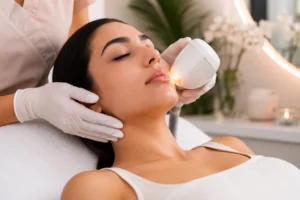
Esthetician Tips: Preparing for Your Session
To ensure maximum safety and optimal results from your Laser Hair Removal Services, follow these essential guidelines:
- Stop Tweezing & Waxing: Cease all root-pulling methods at least 4 weeks before your appointment. The laser needs the hair shaft intact inside the follicle to work.
- Shave the Night Before: Shave the treatment area 12–24 hours prior. This allows the laser energy to bypass surface hair and focus directly on the root beneath the skin.
- Ditch Active Skincare Temporarily: Pause retinoids, AHA/BHA acids, and strong exfoliants 5 to 7 days before your session to avoid skin sensitivity.
- Sun Protection is Essential: Keep the treatment area out of direct sunlight and wear a broad-spectrum SPF 30+ daily.
Take the First Step Toward Effortless, Smooth Skin
Living with PCOS presents daily challenges, but managing unwanted facial hair doesn’t have to be one of them. Laser hair removal offers more than just hair reduction—it brings back your time, protects your skin barrier, and restores your confidence.
Ready to put down the tweezers and feel radiant in your own skin? Book a Personalized Consultation with You Glow Aesthetics today. Our expert team will build a customized hair removal and skin restoration plan tailored precisely to your unique hormonal and skin needs.