The morning starts grey and frozen. By mid-afternoon, a warm wind has arrived, the snow is shrinking, and your face feels tight around the mouth, dull across the cheeks and strangely shiny at the nose. If that pattern repeats every time the weather flips in Calgary, a chinook may be part of the story, and the fix is usually about water and barrier support rather than stronger products.
This article covers that specific Calgary scenario rather than winter dryness in general. For the broader sorting of dry, dehydrated, and damaged skin, start with our guide to decoding winter skin concerns. Here we look at what warm, dry wind days may do to the skin barrier, how dehydration shows up, and how to plan home care and professional treatments around the weather.
Key Takeaways
- The swing matters as much as the dryness: skin that adjusts from freezing air to warm, dry wind and back again may have little time to settle.
- Dehydrated skin lacks water and can still look shiny, so reaching for harsher cleansers or more scrubbing can backfire.
- A chinook-day routine is mostly subtraction: lukewarm water, fewer actives, a hydrating layer and a sealing moisturizer.
- Hydration-focused and gentle exfoliating treatments may fit, but timing around retinoids, acids, and irritated skin decides whether they help.
- Cracked, bleeding, intensely itchy, or rashy skin is a reason to see a doctor or dermatologist first.
What a Chinook Actually Is, and Why Skin May Notice
Environment and Climate Change Canada’s weather glossary describes chinooks as relatively warm, dry, gusty winds on the sheltered side of a mountain range. Moist air is forced up the windward slope, and the air that descends the other side is warmer and drier. Calgary sits east of the Rockies, which is why the word is part of everyday local conversation.
The Canadian Dermatology Association notes that cold weather is the most common cause of dry skin, largely because of low outdoor humidity and heating systems that push hot, dry air indoors. It also describes the outer skin layer as a brick-and-mortar barrier that helps keep water in, and says anything that disturbs the mortar allows water to escape. You can read the details on its dry skin page.
We are not aware of research that isolates chinooks specifically, so the link is reasoned rather than proven. Still, a dry, gusty wind layered on top of a Calgary winter, forced-air heating and hot showers plausibly add up to more water leaving the skin than the barrier can replace.
Dry, Dehydrated or Irritated? A Careful Way to Tell
In everyday esthetics, dry skin means a shortage of oil, usually a lasting skin type, while dehydrated skin means a shortage of water and can be temporary and affect any skin type. Dermatologists often use broader terms such as dryness or xerosis, and the categories overlap, so treat the table below as a practical guide rather than a diagnosis. Our skin hydration and moisture restoration page goes deeper on the water-versus-oil distinction.
| What you notice | May point toward | First move |
|---|---|---|
| Tight and dull, but comfortable when products go on | Surface dehydration | Layer a hydrating serum and moisturizer; keep cleansing gentle |
| Rough, flaky patches that return even with plenty of moisturizer | Dryness (low oil) or a thickened surface layer | Richer, barrier-supporting cream; ask a professional about gentle exfoliation |
| Stinging, burning or redness with most products | An irritated or compromised barrier | Pause actives, simplify, and seek advice if it persists |
| Cracking, bleeding, persistent itch or rash | Something that needs medical assessment | See a doctor or dermatologist |
How Dehydration Shows Up: Tightness, Dullness, Fine Lines and Shine
Tightness and dullness
Skin that lacks water often feels tight after cleansing and may look flat because the surface is less smooth and reflects light unevenly. If your moisturizer seems to disappear without improving your skin, that may hint the surface is dehydrated or built up with dead cells.
Fine lines that seem to appear overnight
Dehydration can emphasize fine, crepey-looking lines, particularly around the eyes and cheeks. If these lines soften after hydration, they’re likely surface-level dehydration lines rather than permanent creases. Lines that stay put on a well-hydrated face are a different conversation and may call for a different treatment plan.
Why dehydrated skin can look oily
Many estheticians see oil production increase when skin feels dehydrated, creating a combination of shine and tightness. The science isn’t settled, but the practical lesson is consistent: if your skin is shiny and tight at the same time, stripping cleansers and heavy scrubbing may make the cycle worse. Oil and water are separate needs, and an oily-looking face can still be dehydrated.
Why Swings Stress the Barrier More Than Steady Cold
Steady cold is hard on skin, but a chinook adds fast change. Skin goes from cold air to a warm, dry wind, then into heated buildings, then back out again. Each transition can strip a little more moisture, and the barrier has less time to rebuild between them. People in other Prairie cities deal with a steadier cold and dryness, which our Winnipeg team covers in its dry prairie climate guide.
Everyday habits add to it. The Canadian Dermatology Association notes that warm water removes natural skin oils more readily than cool water, and that cleanser detergents can disrupt the skin barrier. On Chinook days, a hot shower, a foaming cleanser, and a new exfoliating acid all land on skin that is already losing water.
A Chinook-Day Routine That Keeps It Simple
These are general habits, not individual medical advice. If you use prescription products, follow your prescriber’s directions.
- Morning: rinse or cleanse with lukewarm water and a gentle, non-stripping cleanser, then apply a hydrating serum to slightly damp skin and seal it with moisturizer.
- Sunscreen: apply a broad-spectrum SPF even when it is cold; bright winter days and snow reflection can still deliver UV exposure.
- During the day: carry lip balm and a light moisturizer, shield your face from gusts with a scarf, and avoid picking at flaky patches.
- Evening: cleanse gently, skip scrubs and strong acids if skin feels tight or stings, and use a barrier-supporting cream.
- At home: a humidifier in the bedroom may help your skin through the night, and shorter, cooler showers reduce additional moisture loss.
Is It Time for Professional Help With Chinook Dehydration?
If your skin keeps swinging between tight, dull and shiny despite a solid routine, a free skin assessment can help sort out what is going on and what might be worth trying. Our estheticians look at hydration, texture, sensitivity and how your skin reacts to products before suggesting a plan, and nothing is pushed on you.
Book a free consultation at our Calgary clinics to talk through your concerns, your current routine and whether a hydration-focused treatment makes sense right now.
Which You Glow Treatments May Fit Chinook-Stressed Skin
You Glow Aesthetics has two Calgary clinics: Calgary SE on Macleod Trail and Calgary NW on Ranchlands Boulevard. Both list a Hydro Facial and Microdermabrasion on their city pages, and the Oxygen Facial has a national treatment page, so availability for that one should be confirmed with the clinic when booking.
| Treatment | What it is designed to do | Where to read more |
|---|---|---|
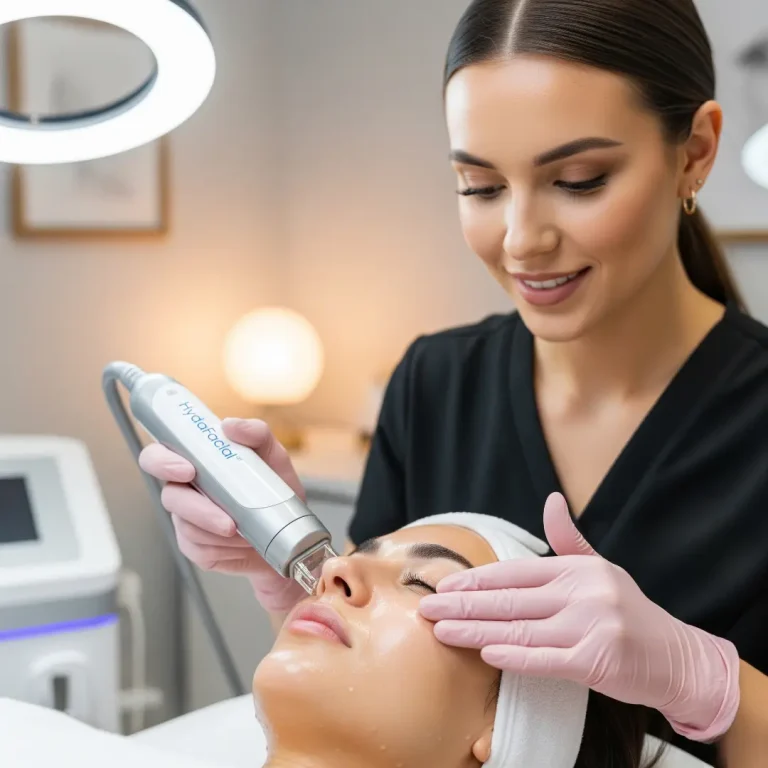
| Hydro Facial | Deep cleanse, gentle exfoliation and hydrating serum delivery in one session, with no needles or downtime | Calgary SE and Calgary NW |
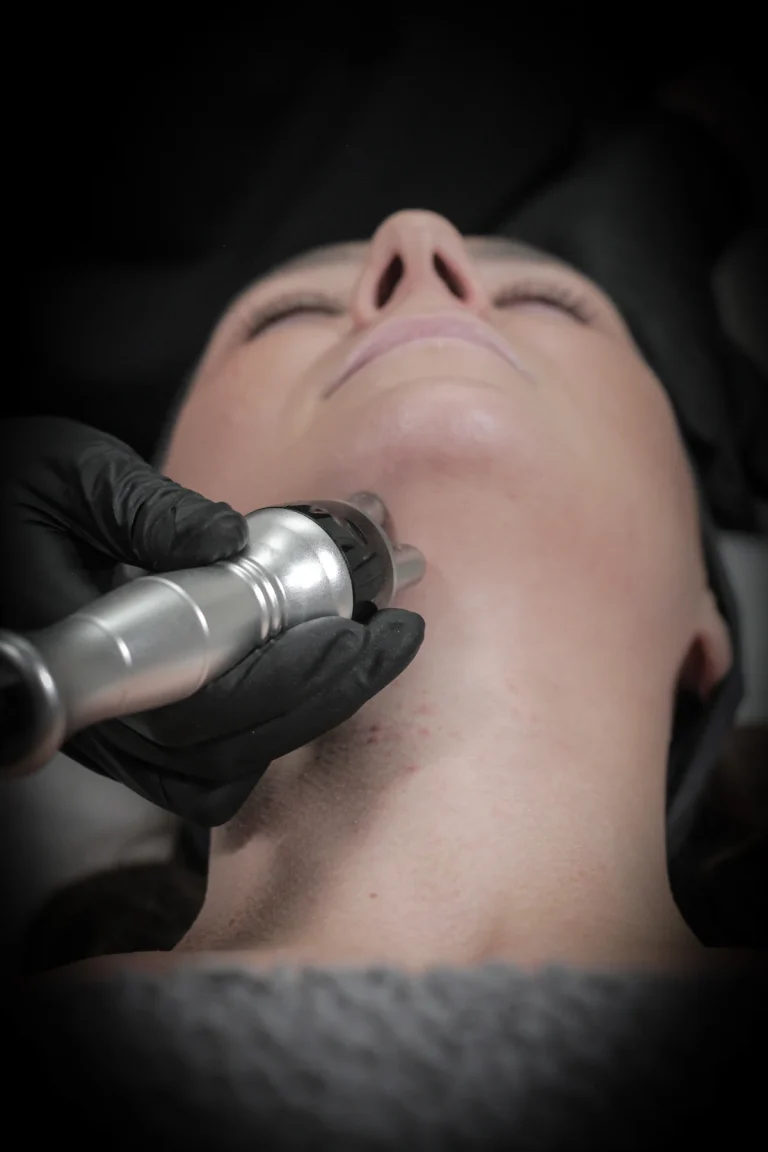
| Microdermabrasion | Mechanical exfoliation that removes the dull surface layer, adjustable pass by pass | Calgary SE; also a Calgary NW page |
| Oxygen Facial | Pressurized oxygen with a serum, aimed at hydration and a plumper look; the site notes evidence for long-term benefits is limited | Treatment page; confirm clinic availability |
Hydro Facial is the most direct match for dehydration. The Calgary SE page describes it as delivering hydrating serum in the same pass that clears the pores, and notes the hydration effect is temporary, lasting about a week for many people. Home habits, such as a humidifier, decide how much carries over between visits.
Microdermabrasion suits the rough, flaky, built-up version of Chinook skin, where moisturizer seems unable to sink in. Our Calgary NW page notes that a barrier recently stressed by weather swings is not ideal for strong chemical peels, which is why a mechanical option that can be dialled down may be easier on the day. Results vary with skin type, how stressed the barrier is and the number of sessions.
Timing and Sequencing Around the Weather
Treatment timing matters as much as treatment choice. The table below reflects the preparation and aftercare You Glow publishes for these treatments; your esthetician will adapt it to your skin and any medications or conditions you disclose.
| Situation | Sensible approach |
|---|---|
| Skin stings, looks red, or is windburnt or sunburnt | Rebook rather than exfoliate; let the barrier settle first |
| Using retinol or acids at home | Hydro Facial pages ask you to pause them for roughly three to five days before; microdermabrasion asks for about five days off retinol and three off acids |
| Planning another peel, laser or needling session | The microdermabrasion pages suggest leaving about two weeks between resurfacing treatments |
| Dry stretch from late autumn to spring | Many clients settle into a regular rhythm rather than one intensive visit; the Calgary SE page mentions roughly monthly, with some moving to every three weeks |
| After treatment | Use gentle products, skip saunas, steam, and heavy sweating for 24 to 48 hours, and wear daily sunscreen |
When to See a Doctor or Dermatologist First
A facial is not a treatment for a medical skin condition. Cracked or bleeding skin, intense itching, a rash, burning with every product, or a sudden change in your skin that doesn’t settle with gentle care warrants a conversation with a doctor or dermatologist. Eczema, rosacea and similar conditions can look like dehydration while needing different care.
Tell your esthetician about medications that affect the skin, recent procedures, cold sores, active infections or open skin, and pregnancy. Those details shape whether a treatment is appropriate and how gently it should be done.
Plan Your Chinook Season Skin Care in Calgary
If chinook weeks leave your skin tight, dull, or unpredictable, You Glow Aesthetics can help you decide whether hydration, gentle exfoliation, or a calmer home routine makes the most sense. Both our Calgary SE and Calgary NW clinics offer free consultations, where an esthetician reviews your skin and recent habits before recommending a plan.
There is no pressure to book treatments on the day. Come with questions, bring your current products if it helps, and leave with a plan that fits your skin, your schedule, and the Calgary weather.
Frequently Asked Questions
Do chinook winds really dry out your skin?
They may. Chinooks are described as warm, dry, gusty winds, and dry air can pull water from the skin’s surface, particularly when the barrier is already stressed. There is no study that isolates chinooks specifically, so the connection is reasoned. If your skin consistently feels tighter on chinook days, treat that pattern as useful information.
Can dehydrated skin look oily?
Yes, it can. Skin that lacks water may still look shiny, and some estheticians observe that oil production increases when skin feels short of moisture. Because the research is mixed, the safest approach is gentle cleansing and hydration rather than stripping products. A skin assessment can help tell oiliness from dehydration.
Should I switch to a richer cream when a chinook arrives?
Not always. Dehydrated skin typically benefits from a water-binding serum under a moisturizer, while genuinely dry skin may also need a richer cream. A very heavy product on top of a stressed, congested surface can feel uncomfortable for some people. Adjust one thing at a time, and ask a professional if your skin keeps struggling.
Can I book a Hydro Facial or microdermabrasion straight after a chinook?
Often yes, if your skin is not red, stinging, windburnt, or sunburnt. A gentle exfoliating treatment is generally less suitable on irritated skin, and your esthetician makes that call on the day. If your skin is sore, waiting a few days for the barrier to calm is usually the sensible choice.
How often should I have hydration treatments through a Calgary winter?
It varies with your skin, routine, and goals. The Calgary SE Hydro Facial page says roughly monthly suits most clients, with some moving to every three weeks in the driest months, and notes the hydration effect is temporary. Your esthetician can set a rhythm after assessing your skin, and you can adjust it over time.