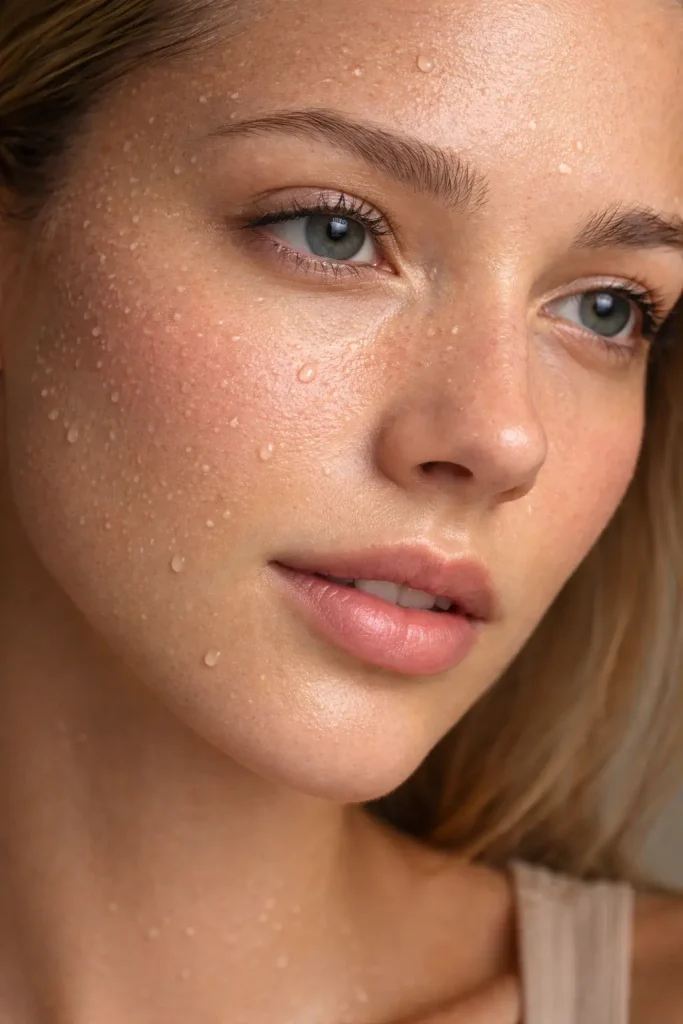
Excessive sweating, medically known as hyperhidrosis, is more than a minor inconvenience. It can affect your confidence, clothing choices, work performance, and social life. Many people assume they simply sweat more than others, but when perspiration interferes with daily activities, it may be time to explore professional treatment options.
As an aesthetic practitioner, I often meet clients who have tried every antiperspirant on the market before realizing there are safe and effective medical solutions available. The good news is that hyperhidrosis is highly treatable once properly evaluated.
What Is Hyperhidrosis and Why Does It Happen
Sweating is a normal and essential body function that regulates temperature. Hyperhidrosis occurs when the sweat glands become overactive, even when the body does not need cooling. This condition commonly affects the underarms, palms, soles of the feet, and sometimes the face.
There are two main types. Primary hyperhidrosis typically begins in adolescence and is not linked to an underlying medical issue. Secondary hyperhidrosis is triggered by another condition or medication and may affect larger areas of the body.
Common triggers include stress, heat, spicy foods, hormonal changes, and anxiety. However, in many cases, excessive sweating happens without a clear cause. If you find yourself constantly worried about sweat stains, damp handshakes, or odor despite good hygiene, professional evaluation is recommended.
When to Seek Professional Treatment
Occasional sweating during exercise or warm weather is completely normal. Hyperhidrosis is different. You may notice soaking through clothing within minutes, difficulty gripping objects due to sweaty palms, or avoiding social situations altogether.
Professional treatment is worth considering if sweating interferes with daily activities, affects your self-esteem, or causes skin irritation and recurrent infections.
Before recommending a treatment plan, a thorough consultation is important. We review your medical history, discuss the pattern of sweating, and determine whether the condition is primary or secondary. This ensures you receive the most effective and appropriate care.
Botox Injections for Excessive Sweating
One of the most effective treatments for underarm hyperhidrosis is Botox Injections. While widely known for reducing fine lines, this treatment is also FDA-approved for excessive sweating.
Botox works by temporarily blocking the chemical signals that stimulate sweat glands. When these signals are interrupted, the glands significantly reduce sweat production in the treated area. The result is noticeable dryness and improved comfort.
The procedure is quick and minimally invasive. A series of small injections are placed just beneath the skin. Most clients tolerate the treatment very well, and downtime is minimal. Results typically begin within several days and can last four to six months, sometimes longer.
Botox can also be used for palms and soles, although technique and comfort considerations are discussed carefully during consultation.
Iontophoresis for Hands and Feet
For individuals struggling with sweaty hands or feet, Iontophoresis is another proven option. This treatment uses a mild electrical current delivered through water to temporarily reduce sweat gland activity.
During the session, the hands or feet are placed in shallow trays of water while a gentle current passes through. The sensation is mild and well-tolerated. Over a series of treatments, sweating decreases significantly.
Maintenance sessions are typically needed to sustain results, but many clients appreciate that iontophoresis is non-invasive and medication-free. It is especially beneficial for those who prefer gradual improvement or want an alternative to injections.
Lifestyle Tips and Long-Term Management
Professional treatments provide excellent results, but lifestyle habits can also support long-term improvement. Wearing breathable fabrics, choosing moisture-wicking clothing, and using clinical strength antiperspirants at night can help reduce symptoms.
Stress management techniques such as breathing exercises or mindfulness may also reduce flare-ups triggered by anxiety. Staying hydrated and avoiding known dietary triggers can make a noticeable difference.
Most importantly, do not ignore persistent symptoms. Hyperhidrosis is a medical condition, not a personal flaw. Seeking help is a proactive step toward comfort and confidence.
Take the First Step Toward Feeling Comfortable Again
Excessive sweating does not have to control your life. Whether you are considering Botox Injections or Iontophoresis, a personalized consultation can help determine the best solution for your needs.
If you are ready to feel more confident in your skin and clothing choices, schedule a consultation today. A tailored treatment plan can dramatically improve comfort, reduce stress, and help you move through daily life without constantly thinking about sweat.